The Downtown Lights

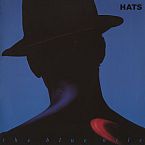
Album: Hats (1989)
Charted: 67
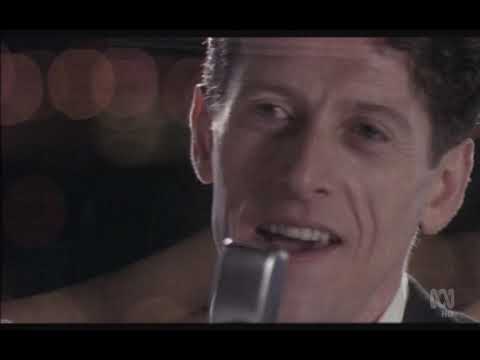
Play Video

Songfacts®:

  • The Blue Nile's "Downtown Lights" is a slow-burn meditation on the soul-crushing loneliness that can fester beneath the bright lights of the big city. Frontman Paul Buchanan sings of a world awash in cigarette smoke and flickering streetlights. We see rented rooms, crowded streets, empty bars, and forlorn figures huddled in stairwells seeking solace in the shadows. It's a scene straight out of a late-night film noir, thick with a sense of longing and disillusionment.
  • The song uses the "downtown lights" as a powerful metaphor. These aren't symbols of excitement or opportunity – they're a double-edged sword. They offer a glimmer of hope, a promise of connection in the urban sprawl. But their harsh, artificial glow can also feel cold and indifferent, a constant reminder of the isolation that can grip you even in a crowded city.

    In the first verse, Buchanan finds a strange beauty in the downtown lights. They're a source of comfort amid the chaos, a beacon in the storm of their own desolation. But as the song progresses, the mood shifts. The lights become detached, almost mocking the loneliness they illuminate. Empty streets stretch out beneath their unblinking gaze, a stark reminder of the disconnection that lurks beneath the city's surface.

    By the third verse, there's a flicker of warmth. The lights become a friendly presence, casting a glow on the quiet intimacy of the lovers. But even here, there's a sense of impermanence, a fragility to the connection.
  • Released on September 11, 1989, as the lead single from their second studio album Hats, "The Downtown Lights" landed at a modest #67 in the UK. Across the pond, it found a niche on Billboard's Modern Rock Tracks (now Alternative Airplay), peaking at #10. It was the only US chart entry for The Blue Nile, but its influence has reverberated through the years and it has remained a fan favorite.
  • The album Hats explores the highs and lows of romantic love. It received rave reviews, including a rare five-star rating from Q magazine.
  • Two different Scottish singers covered the song in 1995: Annie Lennox on her second solo album Medusa, and Rod Stewart on his 17th studio album A Spanner in the Works.
  • In 2016 the 1975's lead singer Matty Healy declared Hats his favorite album of the 1980s. Two years later, The 1975 released "Love It If We Made It," a song that bore a striking resemblance to "The Downtown Lights."

    Healy wasn't shy about the inspiration. "I wanted to reference that song," he told Entertainment Weekly." I didn't want to hide away from referencing it. I wanted it to be f---ing obvious to people that know."
  • In 2024, Taylor Swift, rumored to have once dated Healy, released "Guilty As Sin?" on her album The Tortured Poets Department. The song opens and closes with a cryptic lyric about someone sending her "The Downtown Lights." That someone is believed to be Healy.

Comments

Be the first to comment...

Editor's Picks

Rick Springfield

Rick SpringfieldSongwriter Interviews

Rick has a surprising dark side, a strong feminine side and, in a certain TV show, a naked backside. But he still hasn't found Jessie's Girl.
Female Singers Of The 90s

Female Singers Of The 90sMusic Quiz

The ladies who ruled the '90s in this quiz.

Jim McCarty of The Yardbirds

Jim McCarty of The YardbirdsSongwriter Interviews

The Yardbirds drummer explains how they created their sound and talks about working with their famous guitarists.
Part of Their World: The Stories and Songs of 13 Disney Princesses

Part of Their World: The Stories and Songs of 13 Disney PrincessesSong Writing

From "Some Day My Prince Will Come" to "Let It Go" - how Disney princess songs (and the women who sing them) have evolved.
Waiting For The Break of Day: Three Classic Songs About All-Nighters

Waiting For The Break of Day: Three Classic Songs About All-NightersSong Writing

These Three famous songs actually describe how they were written - late into the evening.
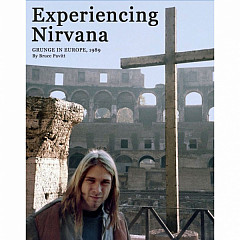
Experience Nirvana with Sub Pop Founder Bruce Pavitt

Experience Nirvana with Sub Pop Founder Bruce PavittSong Writing

The man who ran Nirvana's first label gets beyond the sensationalism (drugs, Courtney) to discuss their musical and cultural triumphs in the years before Nevermind.