Lucky You

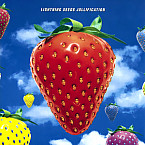
Album: Jollification (1994)
Charted: 43
Play Video

Songfacts®:

  • In this song, Ian Broudie of The Lightning Seeds hears from someone who shot for the stars but fell back to Earth. Many would lend a sympathetic ear and offer conventional encouragement ("It will be OK," "Keep at it, things will work out"), but Broudie has a different response: "Lucky You."

    You see, if there's nothing left to lose, things can only get better.

    Broudie has a way of finding power in pessimism, a theme that runs through many Lightning Seeds songs.
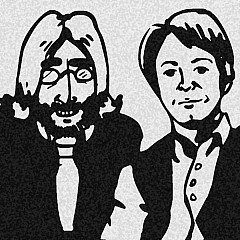
  • The Lightning Seeds are essentially Ian Broudie, a Liverpool-bred singer-songwriter (born in the same hospital as John Lennon) who did production work for bands like Echo & The Bunnymen and The Fall before making music on his own, starting with the first Lightning Seeds single, "Pure," in 1989. "Lucky You" was the lead single from the third Lightning Seeds album, Jollification, once again essentially a solo project with help from his co-producer Simon Rogers, who he worked with on the 1998 The Fall album I Am Kurious Oranj.

    The band didn't have much impact in America outside of "Pure," but were well known in the UK, especially for the English soccer song "Three Lions," when topped the UK chart when it was released in 1996 and again in 1998 in a new version made for the World Cup. After releasing five albums in the '90s, Broudie slowed down considerably. There was a 10-year gap between his last '90s album, Tilt, and his next one, Four Winds, released in 2009. He waited another 13 years for his next one, See You In The Stars in 2022.
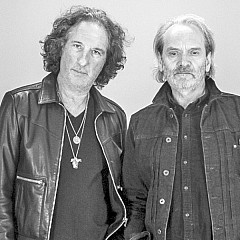
  • Ian Broudie does most of the Lightning Seeds songwriting on his own, but he wrote "Lucky You" with Terry Hall of The Specials. They also collaborated on the 1992 Lightning Seeds song "Sense" and the 2022 track "Emily Smiles."
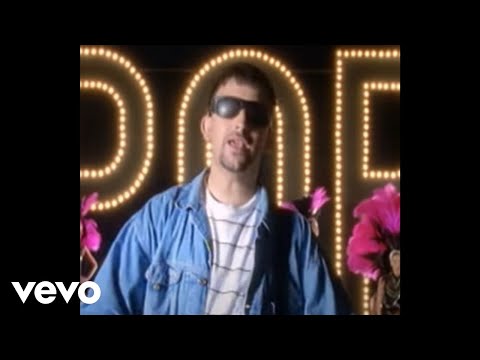
  • The music video has a high level of absurdity, with showgirls, musclemen, chimps and strawberries. As The Lightning Seeds perform amid this menagerie, the word "pop" keeps showing up. In a Songfacts interview with Ian Broudie, he talked about how he defines the word. "With pop, I always saw it in Andy Warhol, who would capture a moment in time, and you put it on your wall or you put it in your record collection," he said. "Now, that word pop, which I used to think meant that, doesn't mean that. So, when I think of 'Rescue,' when I think of 'The Killing Moon' [Echo & the Bunnymen songs] and I think of 'Pure' and I think of 'Sense,' I don't see a great difference, really. From behind the wheel, they seem the same to me, to a degree. In intent and in creating these, there wasn't much difference."

Comments

Be the first to comment...

Editor's Picks

Artis the Spoonman

Artis the SpoonmanSong Writing

Even before Soundgarden wrote a song about him, Artis was the most famous spoon player of all time. So why has he always been broke?

The Evolution of "Ophelia"

The Evolution of "Ophelia"Song Writing

How five songs portray Shakespeare's character Ophelia.

N.W.A vs. the World

N.W.A vs. the WorldSong Writing

How the American gangsta rappers made history by getting banned in the UK.

Martin Page

Martin PageSongwriter Interviews

With Bernie Taupin, Martin co-wrote the #1 hits "We Built This City" and "These Dreams." After writing the Pretty Woman song for Go West, he had his own hit with "In the House of Stone and Light."

David Clayton-Thomas of Blood, Sweat & Tears

David Clayton-Thomas of Blood, Sweat & TearsSongwriter Interviews

The longtime BS&T frontman tells the "Spinning Wheel" story, including the line he got from Joni Mitchell.

Boy Bands

Boy BandsFact or Fiction

From NKOTB to 1D, how well do you know your boy bands?