We Are All Prostitutes

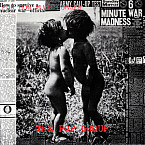
Album: For How Much Longer Do We Tolerate Mass Murder? (1979)
Play Video

Songfacts®:

  • "We Are All Prostitutes" is a diatribe against consumerism, complete with the pleasantly paranoid threat that "our children shall rise up against us."
  • The song was part of a political turn taken by post-punk pioneers The Pop Group starting in 1979, less than a year after releasing their debut album, Y. Author Simon Reynolds wrote in Rip It Up and Start Again that "We Are All Prostitutes" was inspired by "The Pop Group's mounting revulsion for corporate capitalism and corresponding desire for 'purity' in a corrupt world."
  • While The Pop Group might have been heavier handed than most, they were hardly alone in their move towards protest music. The 1980s were defined by a popular glorification of materialism and a corresponding reactionary backlash that shaped the era's musical underground. By the 1980 release of their second studio album, For How Much Longer Do We Tolerate Mass Murder?, many fans and critics bailed rather than join The Pop Group on their protest ride. Writing for the New Music Express in a time when music journalism had a significant impact on popular discourse, Ian Penman cheekily called the band "Bristol Baezes," referring to the English city of Bristol from which they came and to Joan Baez, the queen of 1960s American protest music.

    The political move arguably ended The Pop Group's feasibility as a financially self-sustaining musical act (they didn't record another studio album until 2015, with Citizen Zombie), but The Pop Group frontman Mark Stewart has expressed no regrets. He became a politically oriented agitprop specialist who talked about The Pop Group's political move as an awakening rather than a wrong turn. As time has progressed, The Pop Group's reputation and influence have only grown.
  • Nick Cave of the Bad Seeds loves this song. He considers it a masterpiece - The Pop Group's best. It heavily influenced his own music.

    In 1979, he was still releasing the bats with The Birthday Party, a young man looking for his own musical philosophy. "We Are All Prostitutes" helped inform that. He says hearing it was a formational experience in his creative career.
  • "We Are All Prostitutes" didn't trouble any singles chart but it did reach #8 on the UK Indie Chart.
  • Released on November 9, 1979, "We Are All Prostitutes" was the second single from The Pop Group. They recorded it with Rough Trade Records, which started as a record store in London before expanding to recording and promoting acts.
  • In 1989, The Pop Group released a greatest hits collection titled We Are All Prostitutes, which starts with this title track.
  • In 2016, The Pop Group reissued their second studio album For How Much Longer Do We Tolerate Mass Murder? They added this single to the album, placing it in the third track slot that used to belong to "One Out Of Many."

Comments

Be the first to comment...

Editor's Picks

Christmas Songs

Christmas SongsFact or Fiction

Rudolf, Bob Dylan and the Singing Dogs all show up in this Fact or Fiction for seasonal favorites.

dUg Pinnick of King's X

dUg Pinnick of King's XSongwriter Interviews

dUg dIgs into his King's X metal classics and his many side projects, including the one with Jeff Ament of Pearl Jam.
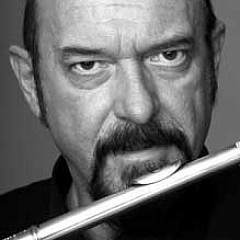
Ian Anderson of Jethro Tull

Ian Anderson of Jethro TullSongwriter Interviews

The flautist frontman talks about touring with Led Zeppelin, his contribution to "Hotel California", and how he may have done the first MTV Unplugged.
Lace the Music: How LSD Changed Popular Music

Lace the Music: How LSD Changed Popular MusicSong Writing

Starting in Virginia City, Nevada and rippling out to the Haight-Ashbury, LSD reshaped popular music.
Metallica

MetallicaFact or Fiction

Beef with Bon Jovi? An unfortunate Spandex period? See if you can spot the true stories in this Metallica version of Fact or Fiction.
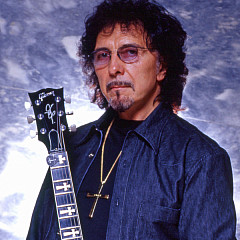
Tony Iommi of Black Sabbath, Heaven And Hell

Tony Iommi of Black Sabbath, Heaven And HellSongwriter Interviews

Guitarist Tony Iommi on the "Iron Man" riff, the definitive Black Sabbath song, and how Ozzy and Dio compared as songwriters.