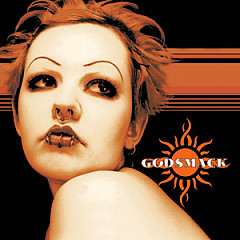
The line, "I feel the snakebite enter my veins," led many to believe the Godsmack song "Voodoo" is about drugs, but it's really about Wiccan ritual, inspired in part by the Wes Craven movie The Serpent and the Rainbow.
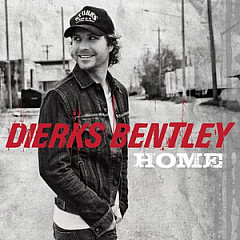
When it topped the chart in 2012, Dierks Bentley's "5-1-5-0" became the first #1 Country hit with a title that's all numbers.
John Fogerty was not born on the bayou - he's from Berkeley, California. He got the idea for the song when CCR was on tour in Louisiana.
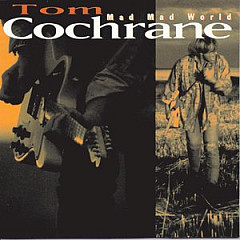
Tom Cochrane wrote "Life Is A Highway" to pull himself out of a funk following an exhausting humanitarian trip to Africa.
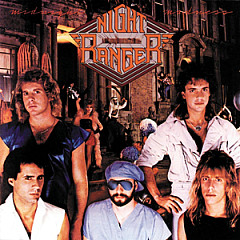
"Sister Christian" was written by Night Ranger drummer Kelly Keagy, who was imploring his younger sister to be careful in her reckless youth, especially when "motoring" (driving around) with friends.
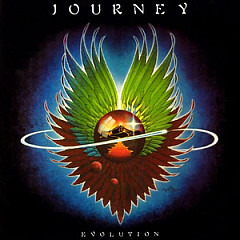
Journey lead singer Steve Perry wrote the rather dramatic "Lovin', Touchin', Squeezin'" with the opening lyrics, "You make me weep, I wanna die," after seeing his girlfriend kissing another man.
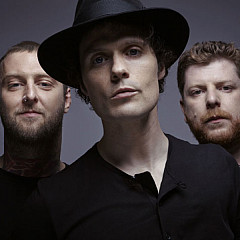
Jon Fratelli talks about the band's third album, and the five-year break leading up to it.
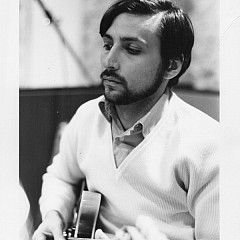
A top New York studio musician, Ralph played guitar on many '60s hits, including "Lightnin' Strikes," "A Lover's Concerto" and "I Am A Rock."
The '70s gave us Muppets, disco and Van Halen, all which show up in this groovy quiz.
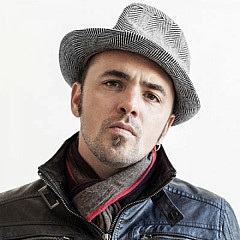
One of Canada's most popular and eclectic performers, Hawksley tells stories about his oldest songs, his plentiful side projects, and the ways that he keeps his songwriting fresh.