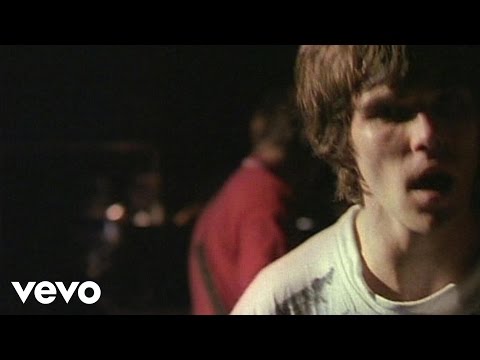
I Am The Resurrection

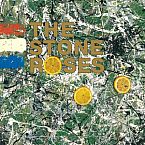
Album: The Stone Roses (1989)
Charted: 33
Play Video

Songfacts®:

  • "I Am The Resurrection" is the towering closing statement of The Stone Roses' 1989 debut album The Stone Roses; 8:12 of swagger, venom, spiritual imagery and instrumental release. It works simultaneously as a breakup song, a declaration of self-belief and, possibly, the sort of religious provocation that could make a parish priest quietly reach for the aspirin.
  • The verses are brutally personal. Ian Brown spits lines at an unnamed target with a withering contempt:

    Stone me why can't you see
    You're a no one nowhere washed up baby
    Who'd look better dead


    But the song pivots in the chorus into something stranger and far more mythic:

    I am the resurrection
    And I am the life
    I couldn't ever bring myself
    To hate you as I'd like


    The title phrase comes directly from The Gospel of John 11:25, where Jesus tells Martha before raising Lazarus: "I am the resurrection and the life."

    Brown lifts the line almost intact, placing himself in a mock-Messianic role - part wounded ex-lover, part self-created deity. It is either magnificently arrogant or gloriously ridiculous, possibly both at once. Rock music has always had a weakness for performers casting themselves as prophets; it is one of the few professions where a man in flared trousers can declare himself immortal and receive applause rather than medical supervision.
  • The exact identity of the song's target has never been confirmed. Many fans interpret it as directed at an ex-girlfriend or toxic relationship figure; someone Brown despises yet cannot entirely sever himself from. Others hear broader themes in lines like "No room for you inside my house. I need to be alone," reading them as a rejection of organized religion. Brown has often spoken ambiguously about spirituality, belief and skepticism, and the song leaves enough space for all interpretations to coexist uncomfortably together.
  • The track began as a joke. Bassist Mani liked to play the riff from The Beatles' "Taxman" backwards during rehearsals while guitarist John Squire and drummer Remi messed around over the top of it. As Clash magazine reports, finally they decided to "do this joke-song properly and see what happens." History is full of masterpieces that began accidentally - penicillin, champagne, America - though comparatively few ended with a four-minute psychedelic jam section.
  • Produced by John Leckie, the recording evolved into one of the defining studio achievements of early-1990s British indie rock. "It was just Reni going crazy and the guitars feeding back," Leckie told Uncut magazine. "So we spent about three days arranging it all. One of the things that made it psychedelic was double-tracking nearly all John's Fender Strat lines with acoustic guitar. It's like a Byrds thing, sort of artificially creating a 12-string effect."
  • The last four minutes of the song is a celebrated instrumental outro that takes the track to its full running time of 8:12. Ian Brown had to coax the band into letting the outro run to its full length; they were worried about being seen as pretentious prog rockers. The result is one of the most beloved extended jams in British indie rock.
  • The placement of the song at the end of the album gives the record a loose spiritual framework. The album opens with "I Wanna Be Adored," a title suggestive of worship and adoration, and closes with resurrection.

    "We knew 'I Wanna Be Adored' was going to start and 'Resurrection' was the end, but we didn't really put it in order until the mixes," Leckie told Uncut. "It just fell into place. It was the dark side of the moon or something, in terms of being an album listening experience. I wanted to make something that would last; they wanted something to blow everyone away."
  • The song became a cornerstone of the band's live sets almost immediately after it was first performed, closing virtually every Stone Roses concert until their original demise. The combination of Reni's pounding introduction, Mani's funky bass line, Squire's guitar work, and the extended instrumental outro made it one of the most electrifying live experiences in British rock.

Comments

Be the first to comment...

Editor's Picks

Francesca Battistelli

Francesca BattistelliSongwriter Interviews

The 2011 Artist of the Year at the Dove Awards isn't your typical gospel diva, and she thinks that's a good thing.

Johnette Napolitano of Concrete Blonde

Johnette Napolitano of Concrete BlondeSongwriter Interviews

The singer/bassist for Concrete Blonde talks about how her songs come from clairvoyance, and takes us through the making of their hit "Joey."

Danny Clinch: The Art of Rock Photography

Danny Clinch: The Art of Rock PhotographySong Writing

One of rock's top photographers talks about artistry in photography, raising funds for a documentary, and enjoying a County Fair with Tom Waits.

Richie Wise (Kiss producer, Dust)

Richie Wise (Kiss producer, Dust)Songwriter Interviews

Richie talks about producing the first two Kiss albums, recording "Brother Louie," and the newfound appreciation of his rock band, Dust.

Rob Halford of Judas Priest

Rob Halford of Judas PriestSongwriter Interviews

Rob Halford dives into some of his Judas Priest lyrics, talking about his most personal songs and the message behind "You've Got Another Thing Comin'."

Gavin Rossdale of Bush

Gavin Rossdale of BushSongwriter Interviews

On the "schizoid element" of his lyrics, and a famous line from "Everything Zen."