
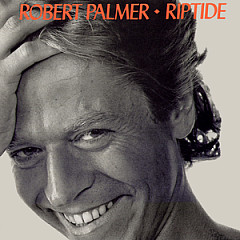
The models in Robert Palmer's iconic "Addicted To Love" video were chosen in part because they couldn't play music, so they're all playing and moving to different rhythms.
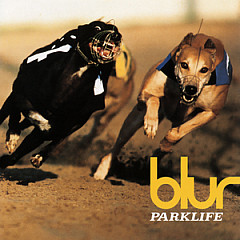
Damon Albarn found inspiration for Blur's Britpop classic "Girls & Boys" while on holiday in Majorca. He noted that in the club scene there was "no morality involved."
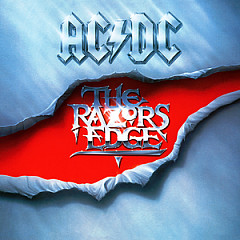
AC/DC's 1990 song "Mistress For Christmas" is about Donald Trump, who was in the news because of his affair with the model Marla Maples.
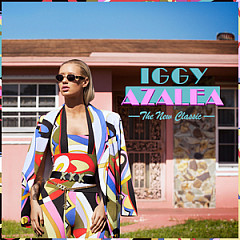
The video for Iggy Azalea's "Fancy" pays homage to the classic 1995 film Clueless with the rapper playing Cher and featured singer Charli XCX portraying Tai. It was filmed at some of the same locations used in the movie.
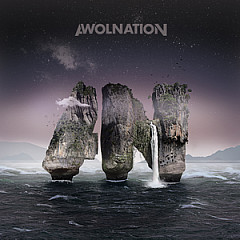
"Sail" by Awolnation was the first hit to mention ADD (Attention Deficit Disorder) in the chorus ("Blame it on my ADD"). Lead singer Aaron Bruno put that line in because his parents and teachers often told him he had that condition, which explained his poor grades.
The rockabilly sound was big in the late 1950s, when Buddy Holly was popular. One of the biggest hits in that genre was the #1 "Party Doll" by Buddy Knox, which used a cardboard box filled with cotton as the drums.
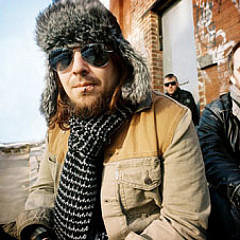
Shaun breaks down the Seether songs, including the one about his brother, the one about Ozzy, and the one that may or may not be about his ex-girlfriend Amy Lee.
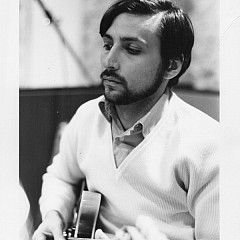
A top New York studio musician, Ralph played guitar on many '60s hits, including "Lightnin' Strikes," "A Lover's Concerto" and "I Am A Rock."

Eddie (played by Johnny Depp in the video) found fame fleeting, but Chuck Berry's made-up musician fared better.

Ian talks about his 3 or 4 blatant attempts to write a pop song, and also the ones he most connected with, including "Locomotive Breath."
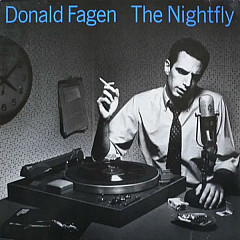
Fagen talks about how the Steely Dan songwriting strategy has changed over the years, and explains why you don't hear many covers of their songs.

Based on criteria like girlfriend tension, stage mishaps and drummer turnover, these are the 10 bands most like Spinal Tap.