

The Blues Traveler song "Hook" is a Peter Pan reference, but also about the catchy hook of the song, which is what "brings you back."
"Kokomo" gave The Beach Boys their first #1 hit in 22 years. They picked the title because it sounded tropical.
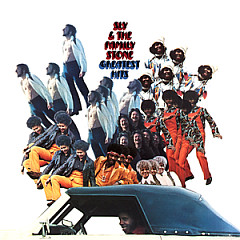
Sly & the Family Stone's "Thank You (Falettinme Be Mice Elf Agin)" was a huge hit in 1970 and found new life when Janet Jackson sampled the bass riff on her 1989 hit "Rhythm Nation."

John Lennon got the title of the Beatles song "Happiness Is A Warm Gun" from an article in a magazine published by the National Rifle Association.
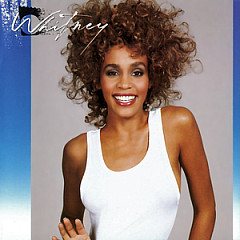
Whitney Houston's "I Wanna Dance With Somebody" is a joyful-sounding song with lyrics that are surprisingly somber: "when the night falls, loneliness calls." It's co-writer explained: "Many of our friends were in this boat - 5 o'clock comes around, they start getting restless."
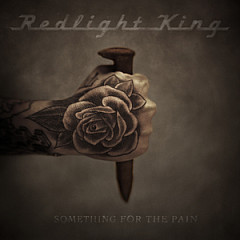
Neil Young rarely allows his songs to be sampled, but he let the Canadian group Redlight King use "Old Man" in their 2011 song, also called "Old Man."
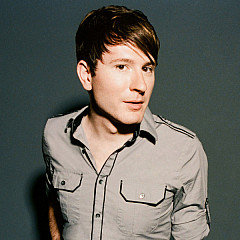
Is Owl City on a quest for another hit like "Fireflies?" Adam answers that question and explains the influences behind many others.
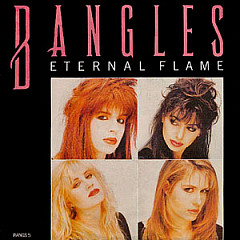
The Prince-penned "Manic Monday" was the first song The Bangles heard coming from a car radio, but "Eternal Flame" is closest to Susanna's heart, perhaps because she sang it in "various states of undress."
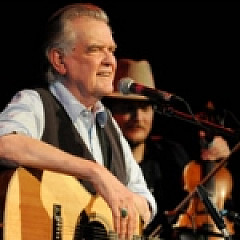
Vince Gill, Emmylou Harris and Lyle Lovett are just a few of the artists who have looked to Clark for insightful, intelligent songs.
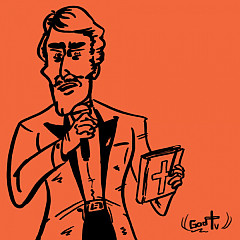
When televangelists like Jimmy Swaggart took on rockers like Ozzy Osbourne and Metallica, the rockers retaliated. Bono could even be seen mocking the preachers.
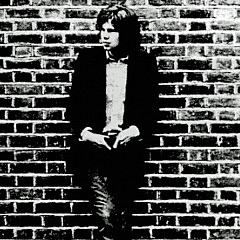
The head of Drake's estate shares his insights on the late folk singer's life and music.
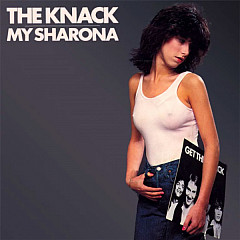
Billie Jean, Delilah, Sara, Laura and Sharona - do you know who the girls in the songs really are?