Behind Every Good Woman

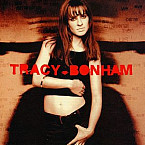
Album: Down Here (2000)
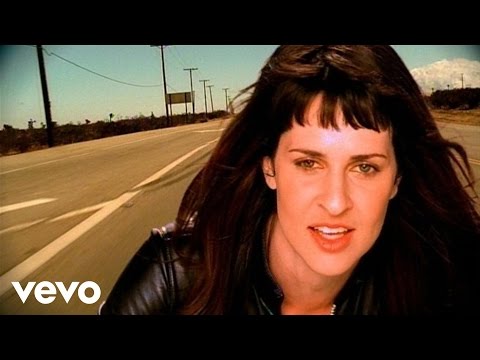
Play Video

Songfacts®:

  • Tracy Bonham made a splash with "Mother Mother," the lead single from her 1996 debut album The Burdens Of Being Upright. She was signed to Island Records, a major label with a long history of success, but in 1998 they merged with Def Jam, which caused her next album, Down Here, to be delayed until 2000 when the momentum for female singer-songwriters who rock had abated. "Behind Every Good Woman" was the first single. It pushed against the tide of screamo rock and fluffy pop, which proved a losing battle. The song and album fared poorly, and Bonham was dropped from the label. She landed on her feet; after a tour with Blue Man Group as a featured vocalist, she released a series of independent albums. In 2020, she started Melodeon Music House, a program where she puts her classical music training to use teaching kids about music.
  • This sassy song is what Bonham calls "half about 'stick it to the man,' and also about female strength and still trying to hang on to this feeling of empowerment and having control over my life." The title is a play on the saying "behind every great man there's a great woman," which Bonham adapts to "behind every good woman lies a trail of men."
  • Bonham wrote this song under pressure from her record company to deliver a hit. "They had come back to me and said things like, 'Look, we've got a second single, and maybe we have a third single, but we don't have a first single to come out of the box. We need a hit single! Come on, Tracy. You've done it before, you can do it again,'" she said in a Songfacts interview. "So I went back and started writing again with some frustration, for sure, and some anger. Now I'm angry at the music business. Now, I'm angry at the man, but it's a whole new face - it's the music business in general."

    The man in charge was Lyor Cohen at Island/Def Jam, who had put his stamp on artists like Shania Twain and Bon Jovi. "When I completed the song, I played it for Lyor Cohen and he was like, 'It's the hit of the summer! It's a woman's anthem,'" Bonham added. "He was really excited because he was lost in the idea that this could be a hit and could make the label money. But because of the climate change they just had no way of making that happen."
  • Bonham spent many years studying violin and included the instrument on her first hit, "Mother Mother," but there's no trace of the instrument on "Behind Every Good Woman."

    "I think there was no room for violin in that song," she told Songfacts. "I had a whole sonic landscape idea for that song and it started with the idea of having the organ panned right to left, right to left. That was how the song started: just as a sonic idea. The violin was probably going to soften it, and I wanted it to be really hard."

Comments

Be the first to comment...

Editor's Picks

Timothy B. Schmit of the Eagles

Timothy B. Schmit of the EaglesSongwriter Interviews

Did this Eagle come up with the term "Parrothead"? And what is it like playing "Hotel California" for the gazillionth time?

80s Video Director Jay Dubin

80s Video Director Jay DubinSong Writing

Billy Joel and Hall & Oates hated making videos, so they chose a director with similar contempt for the medium. That was Jay Dubin, and he has a lot to say on the subject.

Gilby Clarke

Gilby ClarkeSongwriter Interviews

The Guns N' Roses rhythm guitarist in the early '90s, Gilby talks about the band's implosion and the side projects it spawned.

Little Big Town

Little Big TownSongwriter Interviews

"When seeds that you sow grow by the wicked moon/Be sure your sins will find you out/Your past will hunt you down and turn to tell on you."

Dino Cazares of Fear Factory

Dino Cazares of Fear FactorySongwriter Interviews

The guitarist/songwriter explains how he came up with his signature sound, and deconstructs some classic Fear Factory songs.

Dave Edmunds

Dave EdmundsSongwriter Interviews

A renowned guitarist and rock revivalist, Dave took "I Hear You Knocking" to the top of the UK charts and was the first to record Elvis Costello's "Girls Talk."