
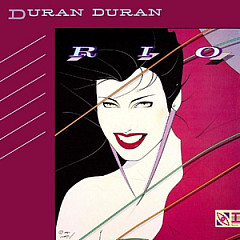
"Rio" by Duran Duran is a metaphor for America, where the band was trying to break through.
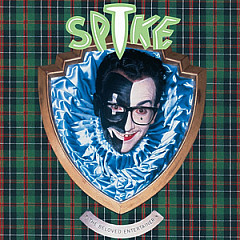
"Veronica" was inspired by Elvis Costello's grandmother, who suffered from Alzheimer's disease.
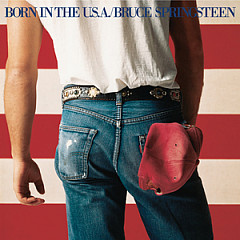
Alfonso Ribeiro's "Carlton Dance" was inspired by Bruce Springsteen and Courteney Cox' dance moves in the "Dancing In The Dark" video.
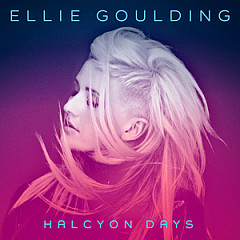
Ellie Goulding's hit single "Burn" was originally demoed by Leona Lewis for her 2011 Glassheart album. She scrapped the tune when the project was retooled to include more ballads.
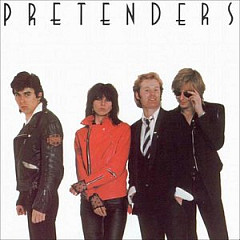
Chrissie Hynde got the phrase "Brass In Pocket" from a Northern England slang term meaning you had some money, "brass" meaning coins.
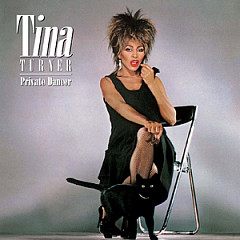
Tina Turner hated "What's Love Got To Do With It" but when her manager convinced her to record it anyway, it became her big comeback hit.
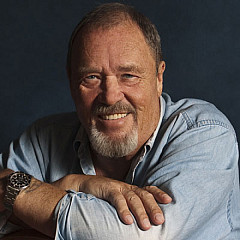
The longtime BS&T frontman tells the "Spinning Wheel" story, including the line he got from Joni Mitchell.
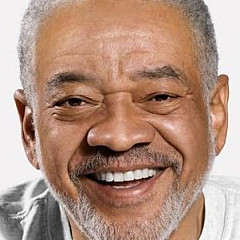
Soul music legend Bill Withers on how life experience and the company you keep leads to classic songs like "Lean On Me."

Director Mark Pellington on Pearl Jam's "Jeremy," and music videos he made for U2, Jon Bon Jovi and Imagine Dragons.
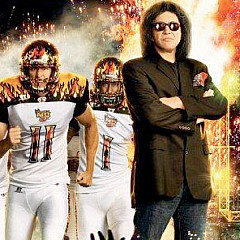
The Kiss rocker covers a lot of ground in this interview, including why there are no Kiss collaborations, and why the Rock Hall has "become a sham."
Christopher Cross with Deep Purple? Kenny Loggins in Caddyshack? A Fact or Fiction all about yacht rock and those who made it.
The '70s gave us Muppets, disco and Van Halen, all which show up in this groovy quiz.