
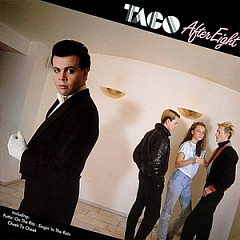
The original, 1930s version of "Puttin' On the Ritz" has lyrics about Lenox Avenue in Harlem, not Park Avenue.
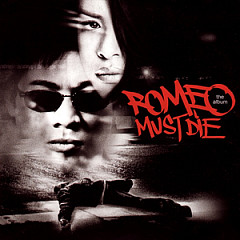
Until December 5, 1998, a song had to be issued as a single to make the Hot 100. Aaliyah's "Try Again" was the first tune to top the chart based on airplay alone, without any sales figures being included.
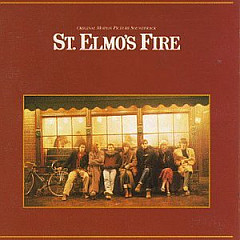
"St. Elmo's Fire (Man In Motion)" was not written for the movie, but for Rick Hanson, a wheelchair athlete whose 1985 "Man In Motion" tour logged 24,856 miles on his wheelchair in 34 countries while raising $26 million for spinal cord research.
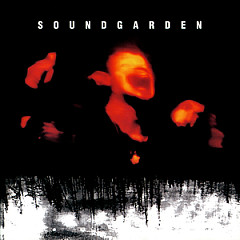
It has long been speculated that the Soundgarden song "Black Hole Sun" came from the name of a sculpture in Seattle, but according to their frontman Chris Cornell the title came from a phrase he misheard on the news. The band's name did come from a sculpture.
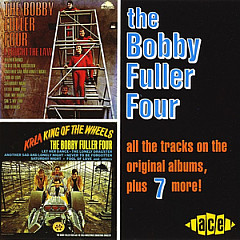
"I Fought The Law" was a hit for The Bobby Fuller Four in 1965. The Clash released their version in 1979, changing the lyrics "I left my baby" to "I killed my baby."
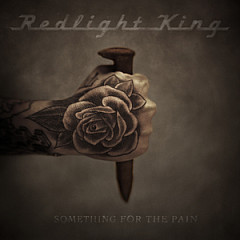
Neil Young rarely allows his songs to be sampled, but he let the Canadian group Redlight King use "Old Man" in their 2011 song, also called "Old Man."
Do you know who wrote Patti Smith's biggest hit? How about the Grease theme song? See if you can match the song to the writer.

The Kiss rocker covers a lot of ground in this interview, including why there are no Kiss collaborations, and why the Rock Hall has "become a sham."
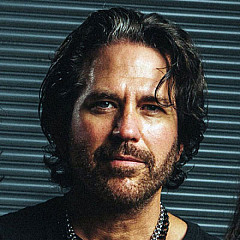
The Winger frontman reveals the Led Zeppelin song he cribbed for "Seventeen," and explains how his passion for orchestra music informs his songwriting.
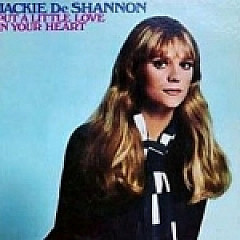
It wasn't her biggest hit as a songwriter (that would be "Bette Davis Eyes"), but "Put a Little Love in Your Heart" had a family connection for Jackie.
How well do you know your David Bowie lyrics? Take this quiz to find out.
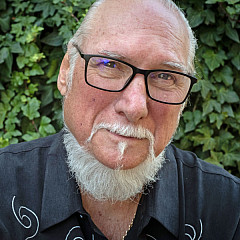
Steve Cropper on the making of "In the Midnight Hour," the chicken-wire scene in The Blues Brothers, and his 2021 album, Fire It Up.