


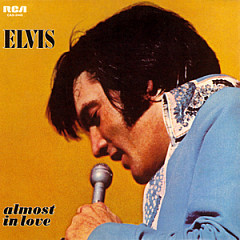
Elvis Presley's "A Little Less Conversation" was just a minor hit when it was released in 1968, but a 2002 remix made the song a global smash, taking it to #1 in a number of countries, including Australia and the UK.
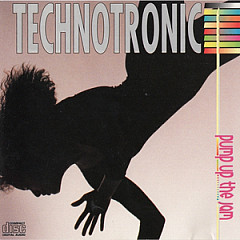
The woman "singing" in the video for Technotronic's "Pump Up The Jam" didn't speak English. She was used just for her look, and also appeared on the album cover.

"Criminal" is Fiona Apple's only chart hit. Royalties from it allow her to make music on her terms, releasing albums several years apart.
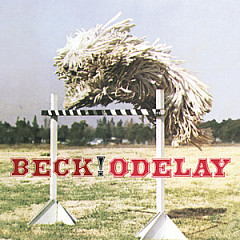
Beck's "Where It's At" is a nod to the early years of hip-hop when DJs would use two turntables to loop drum breaks, and a microphone to hype the crowd ("two turntables and a microphone...").
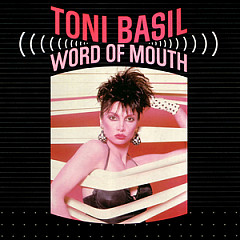
"Mickey" by Toni Basil was originally a song called "Kitty" by a male group. She picked the new name after Micky Dolenz of The Monkees.
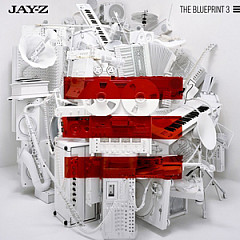
Jay-Z was going to ask Mary J. Blige to duet on "Empire State of Mind," but he decided on Alicia Keys when he heard the piano stabs on the track.

Starting in Virginia City, Nevada and rippling out to the Haight-Ashbury, LSD reshaped popular music.
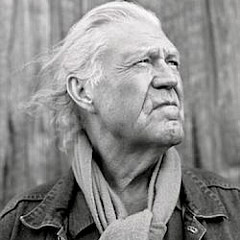
The outlaw country icon talks about the spiritual element of his songwriting and his Bob Dylan mention.

Roger reveals the songwriting formula Clive Davis told him, and if "Eight Miles High" is really about drugs.
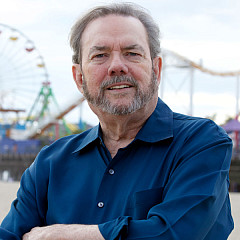
Webb talks about his classic songs "By the Time I Get to Phoenix," "Wichita Lineman" and "MacArthur Park."
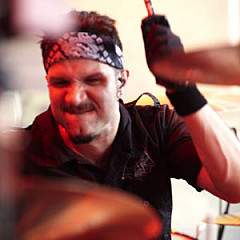
The drummer for Anthrax is also a key songwriter. He explains how the group puts their songs together and tells the stories behind some of their classics.

Talking Heads drummer Chris Frantz on where the term "new wave" originated, the story of "Naive Melody," and why they never recorded another cover song after "Take Me To The River."