The (Elvis) Letter

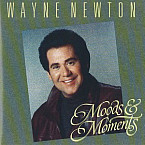
Album: Moods & Moments (1992)
Play Video

Songfacts®:

  • On the last night he ever spent in the Las Vegas Hilton penthouse that had been one of his homes for years, Elvis Presley scribbled a note to God. Was it a written prayer that he hoped would be answered? Or was it simply a release valve for a tormented mind trying to ease itself of the burdensome thoughts plaguing it? We'll never know for sure. Elvis tossed the note in the trash and never mentioned it again. He died a year later. We only know about the letter because someone in his entourage fished it out of a trash can - and because of Wayne Newton.

    Known as "Mr. Las Vegas" for being a staple performer and spokesperson for that city from the 1970s onwards, Newton was close friends with Elvis. When he heard that his old friend's letter was being auctioned by Sotheby's in June 1991, he rushed to buy it for $13,200. Elvis fans started asking for copies. In response, he wrote "The Letter" (also known as "The (Elvis) Letter") for his 1992 album, Moods & Moments. Most of the song consists of a narrative about Elvis' life, but Newton does read the letter verbatim. It starts at about the 2:48 mark and runs to about 3:18. It goes:

    I feel so alone sometimes
    The night is quiet for me
    I would love to be able to sleep
    I'm glad everyone is gone now
    I will probably not rest tonight
    I have no need for all of this
    Help me Lord
  • Newton and Elvis were confidants, and Newton got a look into Elvis' life that few others did. Elvis often came out on stage joking, "Hello, I'm Wayne Newton." In discussing "The Letter" on a 1991 interview with Ralph Emery and the Nashville Network, Newton revealed that he had a two-hour-long conversation with Elvis shortly before The King died. Sitting in his dressing room, Elvis was distraught and concerned for his family. He told Newton that he suspected his time was coming to an end.
  • "The Letter" was at the heart of a controversy that killed the first run of the Cash Box music-industry trade magazine.

    Started in 1942, Cash Box was one of the only real competitors to the Billboard music charts. Both were supposed to do the same thing: track sales and rank songs by popularity. They theoretically should have shared parity. Yet, on July 11, 1992, "The Letter" hit #1 on the Cash Box Top 100 Country Singles while it didn't chart at all with Billboard. The discrepancy called into question the legitimacy of Cash Box's accuracy and opened up accusations that it was a pay-for-play scheme. Cash Box folded a few years later (1996), though it was revamped in 2006.
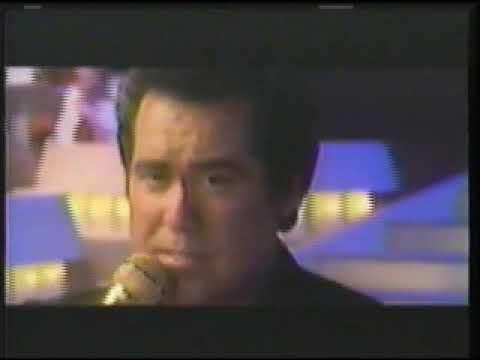
  • Newton recorded a video for "The Letter." In it, he performs the song at the Las Vegas Hilton where Presley wrote the letter.
  • Newton cowrote the song with Rick Goodman, John Minick, and Kathleen McCrone.

Comments

Be the first to comment...

Editor's Picks

Does Jimmy Page Worship The Devil? A Look at Satanism in Rock

Does Jimmy Page Worship The Devil? A Look at Satanism in RockSong Writing

We ring the Hell's Bells to see what songs and rockers are sincere in their Satanism, and how much of it is an act.

Vanessa Carlton

Vanessa CarltonSongwriter Interviews

The "A Thousand Miles" singer on what she thinks of her song being used in White Chicks and how she captured a song from a dream.

Justin Timberlake

Justin TimberlakeFact or Fiction

Was Justin the first to be Punk'd by Ashton Kutcher? Did Britney really blame him for her meltdown? Did his bandmates think he was gay?

Billy Gould of Faith No More

Billy Gould of Faith No MoreSongwriter Interviews

Faith No More's bassist, Billy Gould, chats to us about his two new experimental projects, The Talking Book and House of Hayduk, and also shares some stories from the FNM days.

What Musicians Are Related to Other Musicians?

What Musicians Are Related to Other Musicians?Song Writing

A big list of musical marriages and family relations ranging from the simple to the truly dysfunctional.

Dino Cazares of Fear Factory

Dino Cazares of Fear FactorySongwriter Interviews

The guitarist/songwriter explains how he came up with his signature sound, and deconstructs some classic Fear Factory songs.