
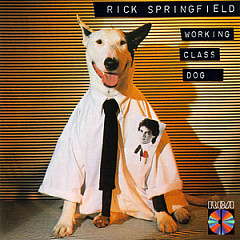
"Jessie's Girl" tells the true story of a girl Rick Springfield was crushing on, but her boyfriend's name was really Gary and he was more of an acquaintance than a friend.

The Dave Matthews Band song "Crash Into Me" seems pretty romantic, but the guy in the song is kind of a stalker. Matthews calls him "the kind of man you'd call the police on."
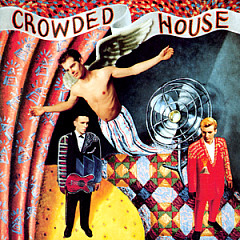
"Don't Dream It's Over" is the biggest hit for Crowded House, whose lead singer, Neil Finn, sang it on tour when he joined Fleetwood Mac. He wrote the song when he was feeling a bit lost as a way of urging himself on.
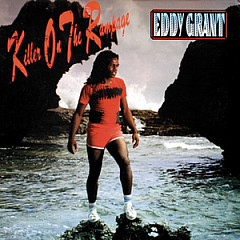
The "Electric Avenue" in the Eddy Grant song is a real street. It got its name because it was the first street in London with electric lights.

The title of Ed Sheeran's hit "The A Team" refers to Class A drugs like heroin and cocaine. It's a play on words, as the subject of the song is a drug addict, not a member of an elite group.
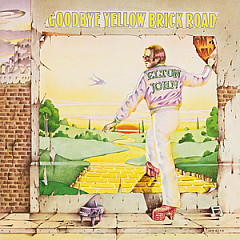
Marilyn Monroe is the subject of Elton John's "Candle In The Wind," but the song is really a look at how we react to celebrities who die young.

Smith breaks down some of his worship tracks as well as his mainstream hits, including "I Will Be Here For You" and "A Place In This World."

Franti tells the story behind his hit "Say Hey (I Love You)" and explains why yoga is an integral part of his lifestyle and his Soulshine tour.
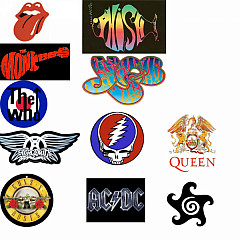
Queen, Phish and The Stones are among our picks for the best band logos. Here are their histories and a design analysis from an expert.
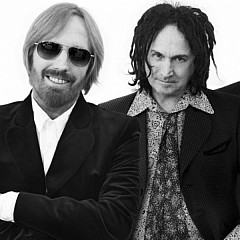
Mike is lead guitarist with Tom Petty & the Heartbreakers, and co-writer of classic songs like "Boys Of Summer," "Refugee" and "The Heart Of The Matter."
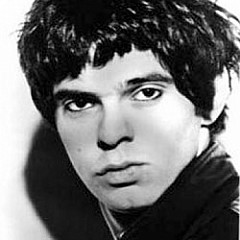
JJ talks about The Stranglers' signature sound - keyboard and bass - which isn't your typical strain of punk rock.

Did Eric Clapton really write "Cocaine" while on cocaine? This question and more in the Clapton edition of Fact or Fiction.