

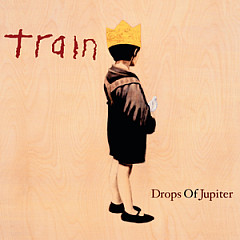
Many assumed Train's breakthrough hit, "Drops Of Jupiter (Tell Me)," is about a woman who leaves a relationship to find herself. Lead singer Pat Monahan actually wrote it after having a dream about his mother, who was "back in the atmosphere" after dying of cancer.
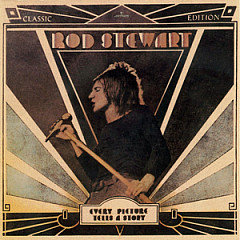
Rod Stewart wrote "Maggie May" about the woman who deflowered him when he was 16.

"Today" by Smashing Pumpkins is sarcastic in the line "today is the greatest day." Lead singer Billy Corgan wrote it about the crippling depression he was battling following the band's first big tour.
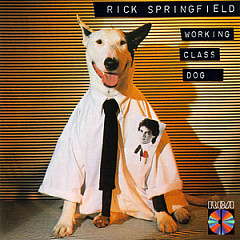
"Jessie's Girl" was the #1 song in America when MTV went on the air. They put it in hot rotation right away, making the song even more popular.
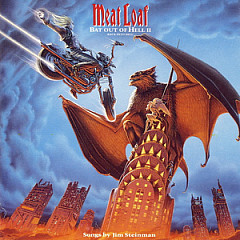
In Meat Loaf's "I'd Do Anything For Love (But I Won't Do That)" what he won't do is a list of six items in the lyrics, including "Forget the way you feel right now" and "Be screwing around."
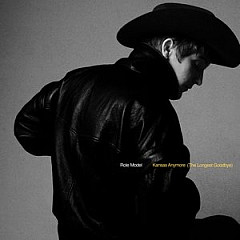
The wild child Role Model sings about in "Sally, When the Wine Runs Out" is based on various women he encountered when he dove back into the dating pool after a long relationship.
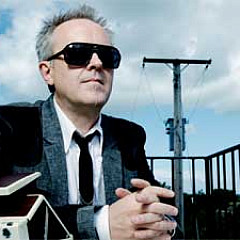
Howard explains his positive songwriting method and how uplifting songs can carry a deeper message.
In this quiz, spot the artist who put Romeo into a song lyric.

Ozzy biting a dove? Alice Cooper causing mayhem with a chicken? Creed so bad they were sued? See if you can spot the real concert mishaps.
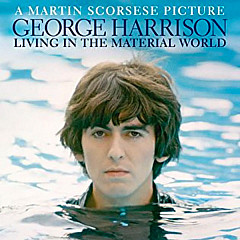
Did Eric Clapton really steal George's wife? What's the George Harrison-Monty Python connection? Set the record straight with our Fact or Fiction quiz.
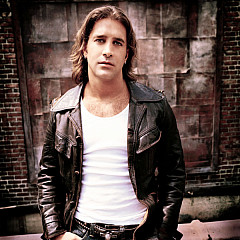
The Creed lead singer reveals the "ego and self-fulfillment" he now sees in one of the band's biggest hits.
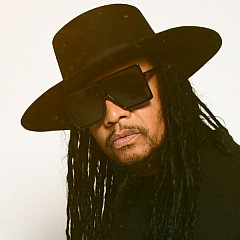
The British reggae legend tells the story of his #1 hit "Close To You," talks about his groundbreaking Shabba Ranks collaboration "Housecall," and discusses his latest project with Robin Trower.