
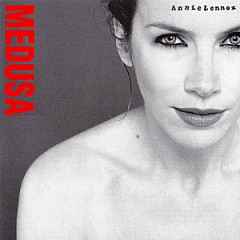
The Annie Lennox hit "No More I Love You's" is a cover, originally sung by a man.
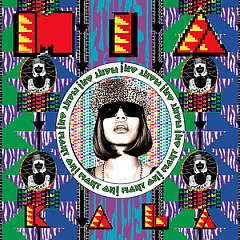
"Paper Planes" was inspired by M.I.A.'s hassles trying to get a visa to enter America.
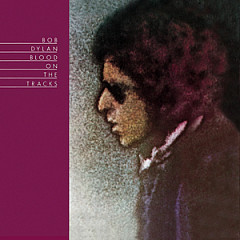
Bob Dylan helped popularize the concept of "burnout" in his 1975 song "Shelter From the Storm" when he sang: "I was burned out from exhaustion, buried in the hail." That's how many Americans were feeling at the time as they worked harder for less pay.
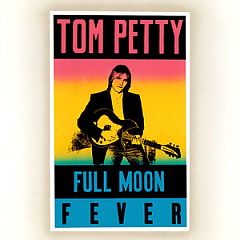
"I Won't Back Down" is a very personal song for Tom Petty, written after an arsonist burned his house down. "I thought it wasn't that good because it was so naked," he said of the song.
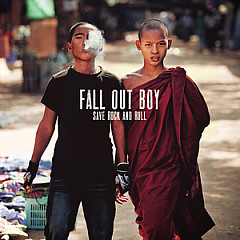
Fall Out Boy's "The Phoenix" samples the classical work "Allegro Non Troppo," which was composed by Dmitri Shostakovich in 1941. Vocalist Patrick Stump was inspired by "the creepiness" of the strings.
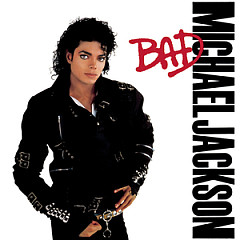
Michael Jackson's "Liberian Girl" opens with the South African female singer Letta Mbulu saying the Swahili phrase "Naku penda piya-naku taka piya-mpenziwe." There was some geographic liberty here, as Swahili is not spoken in the West African nation of Liberia.
Was Justin the first to be Punk'd by Ashton Kutcher? Did Britney really blame him for her meltdown? Did his bandmates think he was gay?

Roger tells the stories behind some of his biggest hits, including "Give a Little Bit," "Take the Long Way Home" and "The Logical Song."

Lori's songs have been recorded by Faith Hill and Sara Evans. She's performed on the CMAs and on Oprah. She also has five kids.

When he was asked to write a song for the Singles soundtrack, Mark thought the Seattle grunge scene was already overblown, so that's what he wrote about.

The 5-octave voice of the classical rock band Renaissance, Annie is big on creative expression. In this talk, she covers Roy Wood, the history of the band, and where all the money went in the '70s.