


 John Lennon once said, "Songs should be like newspapers," and "The Ballad of John and Yoko," was just that. Lennon portrays himself and Yoko as victims who were about to be "crucified," and who were turned back at the Southampton docks; who could not get a marriage in France; and who were misunderstood during their "bed-in for peace," as well as ridiculed when they sat in a bag.
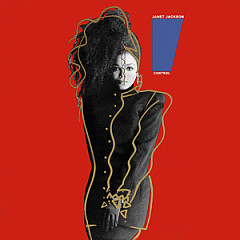
Janet Jackson wrote the lyric to "Nasty" in response to random guys calling her "baby."
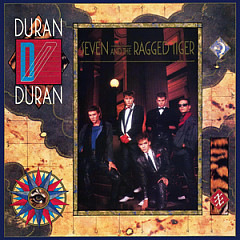
"The Reflex" became a #1 hit for Duran Duran when Nile Rodgers remixed it using a sampler. Simon Le Bon refuses to say what it's about, but says it's "kind of childish song."
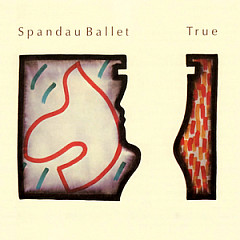
"True" by Spandau Ballet is about chief songwriter Gary Kemp's unrequited love for Altered Images singer and Gregory's Girl star Clare Grogan.
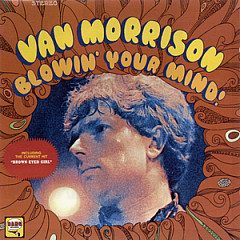
Van Morrison's "Brown Eyed Girl" was originally called "Brown Skinned Girl," and was about an interracial relationship.
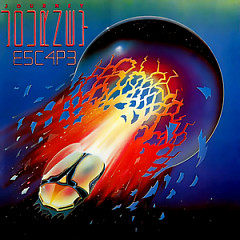
The "Don't Stop Believin'" resurgence started when the Journey song was used in a roller skating scene of the 2003 movie Monster.
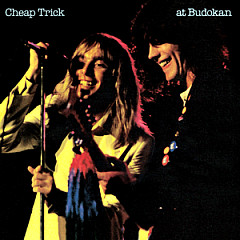
Cheap Trick's original version of "I Want You To Want Me" was countrified and kind of hokey. When they sped it up for their Live At Budokan album, it became a huge hit.
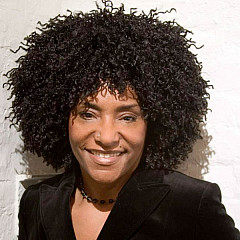
The lead singer on "Da Doo Ron Ron" and "Then He Kissed Me," La La explains how and why Phil Spector replaced The Crystals with Darlene Love on "He's A Rebel."
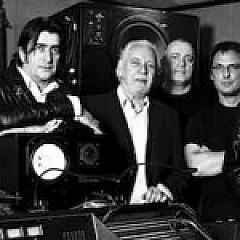
The lead singer and pianist for Procol Harum, Gary talks about finding the musical ideas to match the words.
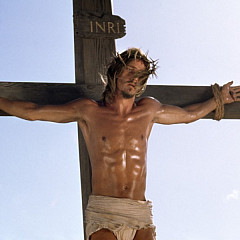
The in-depth discussion about the making of Jesus Christ Superstar with Ted Neeley, who played Jesus in the 1973 film.
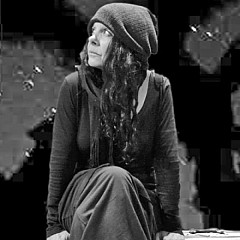
The singer/bassist for Concrete Blonde talks about how her songs come from clairvoyance, and takes us through the making of their hit "Joey."
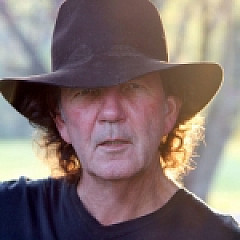
The writer of "Rainy Night in Georgia" and "Polk Salad Annie" explains how he cooks up his Louisiana swamp rock.
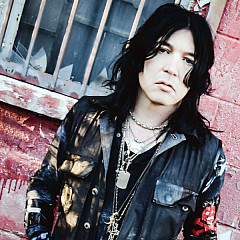
Tom talks about the evolution of Cinderella's songs through their first three albums, and how he writes as a solo artist.