

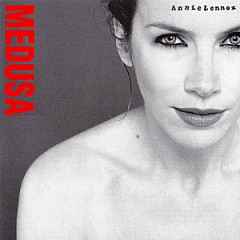
The Annie Lennox hit "No More I Love You's" is a cover, originally sung by a man.
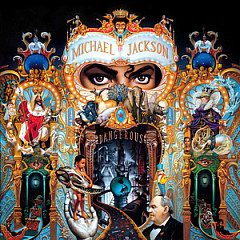
Weird Al Yankovic proposed a parody of "Black Or White" called "Snack All Night," but Michael Jackson asked him not to.
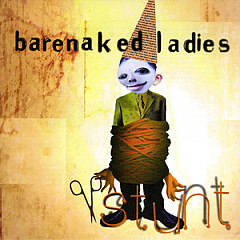
"One Week" by Barenaked Ladies was a #1 hit in America - for exactly one week in 1998.
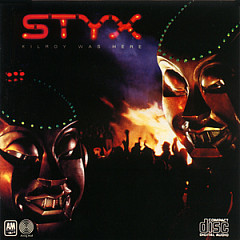
"Mr. Roboto" by Styx was written by their keyboard player, Dennis DeYoung, who used Japanese words and imagery to create an allegory about censorship.
"Love Is A Battlefield" was written as a ballad, but Pat Benatar's guitarist/husband turned it into an uptempo song.
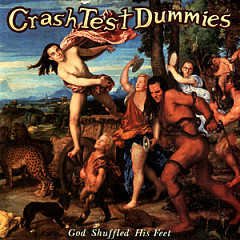
The third verse of "Mmm Mmm Mmm Mmm" by Crash Test Dummies ("they shook and lurched all over the church floor...") was inspired by girl whose parents would speak in tongues at their Pentecostal service.

Edie Brickell on her collaborations with Paul Simon, Steve Martin and Willie Nelson, and her 2021 album with the New Bohemians.

Genesis' key-man re-examines his solo career and the early days of music video.
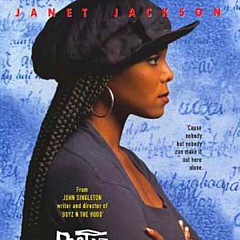
A look at the good (Diana Ross, Eminem), the bad (Madonna, Bob Dylan) and the peculiar (David Bowie, Michael Jackson) film debuts of superstar singers.
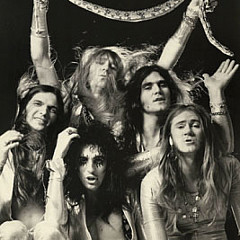
With the band in danger of being dropped from their label, Alice Cooper drummer Neal Smith co-wrote the song that started their trek from horror show curiosity to the Rock and Roll Hall of Fame.

The "All I Want" singer went through a long depression, playing some shows when he didn't want to be alive.

The 5-octave voice of the classical rock band Renaissance, Annie is big on creative expression. In this talk, she covers Roy Wood, the history of the band, and where all the money went in the '70s.