
Members of the San Francisco 49ers, including Dwight Clark, Joe Montana and Ronnie Lott, sang backup on "Hip to Be Square" by Huey Lewis and the News.
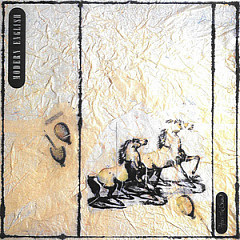
"I'll Melt With You" by Modern English is about a couple who melt together because a nuclear bomb drops.
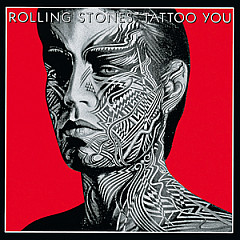
One of the first hit songs used in a major marketing campaign was "Start Me Up" by The Rolling Stones. Microsoft paid $3 million to use it in commercials for Windows '95.
Lionel Richie hosted the American Music Awards the night he recorded "We Are The World."
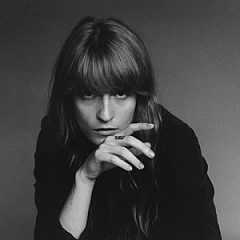
The title of Florence + the Machine's "How Big, How Blue, How Beautiful" was inspired by the Los Angeles skyline.

Katy Perry says her 2008 song "Ur So Gay" is about "guys who wear the guyliner, steal your jeans, and that whole almost hipster emo scene."
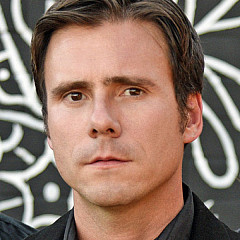
Jim talks about the impact of "The Middle" and uses a tree metaphor to describe his songwriting philosophy.
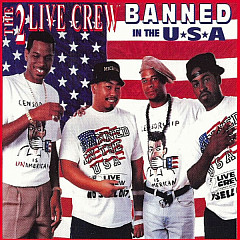
In the summer of 1990, you could get arrested for selling a 2 Live Crew album or performing their songs in Southern Florida. And that's exactly what happened.
Songs where something goes horribly wrong (literally or metaphorically), and help is needed right away.
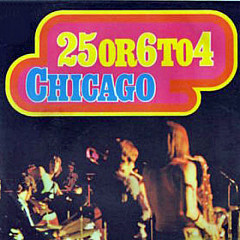
These Three famous songs actually describe how they were written - late into the evening.
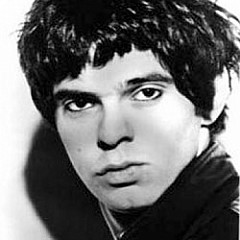
JJ talks about The Stranglers' signature sound - keyboard and bass - which isn't your typical strain of punk rock.