


Feist's "1234" is "about lost love, and the hope to recapture what you once had," but it's best known for the Sesame Street version about counting to four.
The first rap song to make the Hot 100 was "Rapper's Delight" by The Sugarhill Gang in 1979. At the time, many considered rap a fad that would soon pass.
"(Sittin' On) The Dock Of The Bay," released a month after Otis Redding died, was the first song to hit #1 in America after the artist died.
We were all party rocking in 2011 with the global smash "Party Rock Anthem," but rap fans know the "Everyday I'm shufflin'" line is a take on "Everyday I'm hustlin'" from the 2006 Rick Ross track "Hustlin'."
Two tears roll down Sinead O'Connor's face toward the end of the video for "Nothing Compares 2 U." They were shed because she associated the song's lyrics of love and loss with her mother, who was killed in a car accident in 1985.

"Soul Man" was a new term when the song was written in 1967. As defined by the song's co-writer, David Porter, the Soul Man doesn't have a fancy big-city slant, but has "the emotional thing happening inside of him that made people really love him."
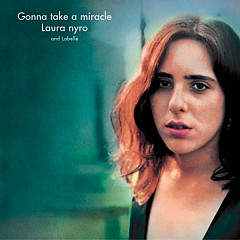
Laura Nyro talks about her complex, emotionally rich songwriting and how she supports women's culture through her art.

After cutting his teeth on hardcore punk videos, Paul defined the grunge look with his work on "Hunger Strike" and "Man in the Box."

Did Eric Clapton really write "Cocaine" while on cocaine? This question and more in the Clapton edition of Fact or Fiction.

Despite her reticent personality, Adele's life and music are filled with intrigue. See if you can spot the true tales.

Donny Osmond talks about his biggest hits, his Vegas show, and the fan who taught him to take "Puppy Love" seriously.
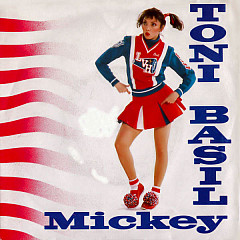
It started with a bouncy MTV classic. Nirvana and MCR made them scary, then Gwen, Avril and Madonna put on the pom poms.