


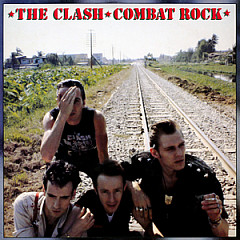
"Should I Stay or Should I Go?" by The Clash features some Spanish lines ("esta indecisión me molesta!") by the Texas singer Joe Ely.
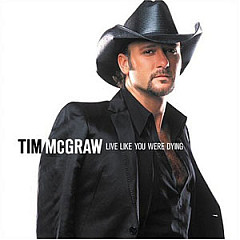
Tim McGraw recorded "Live Like You Were Dying" just two weeks after his own father passed away.

"Soul Man" was a new term when the song was written in 1967. As defined by the song's co-writer, David Porter, the Soul Man doesn't have a fancy big-city slant, but has "the emotional thing happening inside of him that made people really love him."

"The Candy Man" is the opening song in the 1971 movie Willie Wonka And The Chocolate Factory, but the version released as a single was by Rat Pack member Sammy Davis Jr. It was a #1 hit and became his signature song even though his audience was very adult.
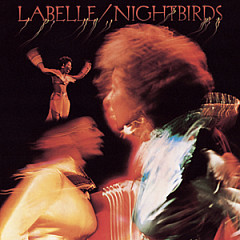
The chorus of "Voulez-vous coucher avec moi ce soir" in "Lady Marmalade" is French for "Do you want to sleep with me tonight?" When Labelle performed it on television, they had to change it to "Voulez-vous danser avec moi ce soir" (Do you want to dance with me tonight?).
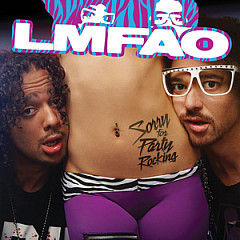
"Party Rock Anthem" by LMFAO was only the second #1 hit on the Hot 100 with "Party" in the title. The first was Lesley Gore's "It's My Party."
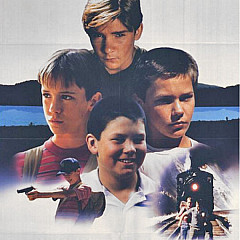
In 1986, a Stephen King novella was made into a movie, with a classic song serving as title, soundtrack and tone.
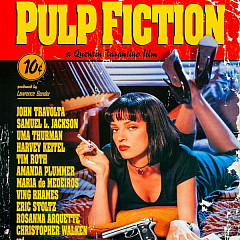
Whether he's splitting ears or burning Nazis, Quentin Tarantino uses memorable music in his films. See if you can match the song to the scene.

Collaborating with T Bone Burnett, Leslie Phillips changed her name and left her Christian label behind - Robert Plant, who recorded one of her songs on Raising Sand, is a fan.
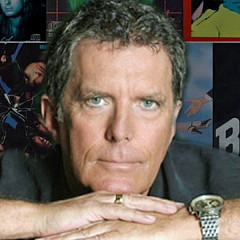
Ron Nevison explains in very clear terms the Quadrophenia concept and how Heart staged their resurgence after being dropped by their record company.

The drummer for Anthrax is also a key songwriter. He explains how the group puts their songs together and tells the stories behind some of their classics.
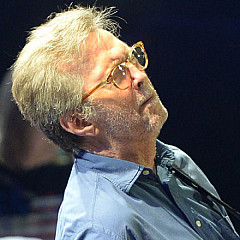
Did Eric Clapton really write "Cocaine" while on cocaine? This question and more in the Clapton edition of Fact or Fiction.