
Chaka Khan's hit "I Feel For You" was written and originally recorded by Prince four years before she covered it.
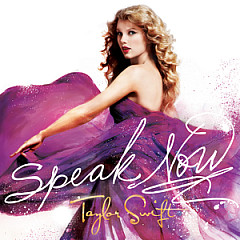
A perfume called Wonderstruck was named after a line in Taylor Swift's song "Enchanted": "I'm wonderstruck, blushing all the way home."
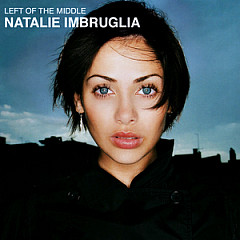
"Torn" by Natalie Imbruglia was first recorded by the group Ednaswap in 1993. It was written by Ednaswap's Anne Previn and Scott Cutler, who went on to write some hits for Miley Cyrus.
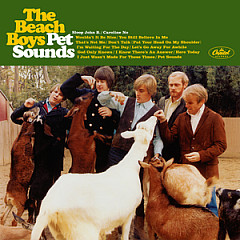
"Sloop John B" is a traditional West Indian folk song, and it was a huge hit for The Beach Boys in 1966. They tweaked the lyric, "This is the worst trip since I've been born" to "...I've ever been on" as a wink to acid culture.
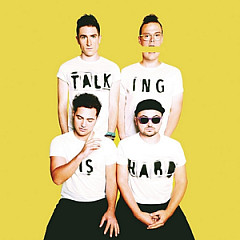
Walk The Moon vocalist Nicholas Petricca got the idea for "Shut Up and Dance" when he and his girlfriend were taking forever to get drinks at a Los Angeles club bar. Petricca was getting frustrated, so his girlfriend told him to "shut up and dance with me!'"
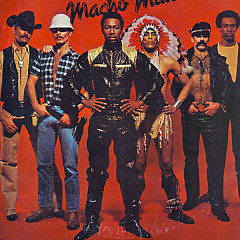
Just like Darrin was replaced on Bewitched, groups have swapped out original members, hoping we wouldn't notice.
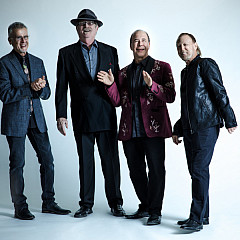
Emilio talks about what it's like to write and perform with the Tower of Power horns, and why every struggling band should have a friend like Huey Lewis.
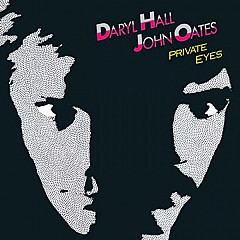
How a goofy detective movie, a disenchanted director and an unlikely songwriter led to one of the biggest hits in pop history.
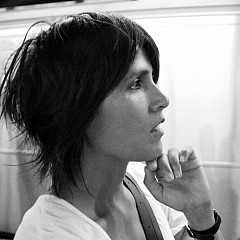
When she released her first album in 1988, Tanita became a UK singing sensation at age 19. She talks about her darkly sensual voice and quirky songwriting style.

The former Metallica bassist talks about his first time writing a song with James Hetfield, and how a hand-me-down iPad has changed his songwriting.
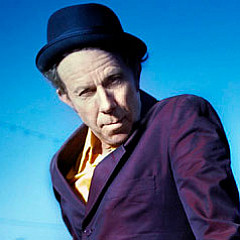
Pool balls, magpies and thorns without roses - how well do you know your Tom Waits lyrics?