


"Doo Wop (That Thing)" by Lauryn Hill was the only US #1 hit of the '90s entirely written, produced and performed by a female singer.
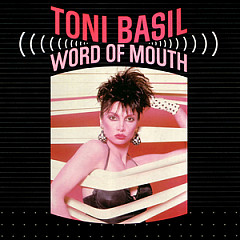
"Mickey" by Toni Basil was originally a song called "Kitty" by a male group. She picked the new name after Micky Dolenz of The Monkees.
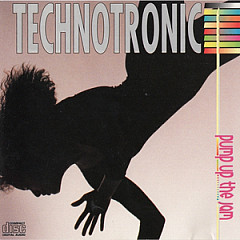
The first Eurodance hit in America was "Pump Up The Jam" by Technotronic in 1989. It led to a wave of Eurodance hits from the likes of Black Box, Snap! and C+C Music Factory in the early '90s.
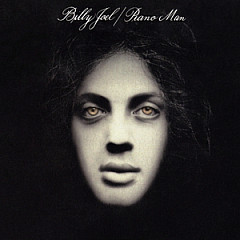
"Piano Man" was inspired by Billy Joel's time playing at a piano bar in Los Angeles. The "real estate novelist" was a guy who always talked about writing a book, but spent all his spare time in the bar.
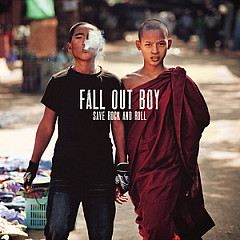
Fall Out Boy's "The Phoenix" samples the classical work "Allegro Non Troppo," which was composed by Dmitri Shostakovich in 1941. Vocalist Patrick Stump was inspired by "the creepiness" of the strings.
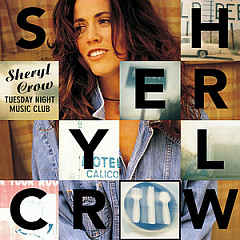
"All I Wanna Do" by Sheryl Crow started with the first line from an obscure poem called "Fun" that read, "All I wanna do is have some fun."
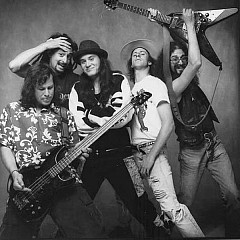
Faith No More's bassist, Billy Gould, chats to us about his two new experimental projects, The Talking Book and House of Hayduk, and also shares some stories from the FNM days.
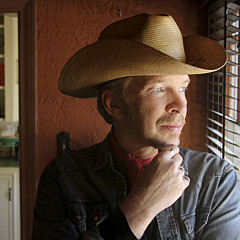
When Dave recorded the first version of the song with his group the Blasters, producer Nick Lowe gave him some life-changing advice.
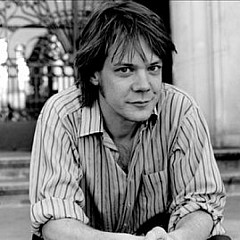
Dave explains how the video appropriated the meaning of "Runaway Train," and what he thought of getting parodied by Weird Al.
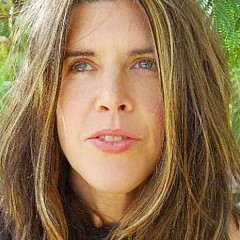
Despite appearances on Carson, Leno and a Pennebaker film, Williams remains a hidden treasure.
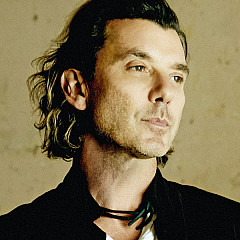
The Bush frontman on where he finds inspiration for lyrics, if his "machine head" is a guitar tuner, and the stories behind songs from the album The Kingdom.
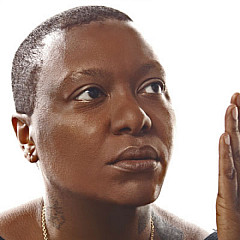
Meshell Ndegeocello talks about recording "Wild Night" with John Mellencamp, and explains why she shied away from the spotlight.