

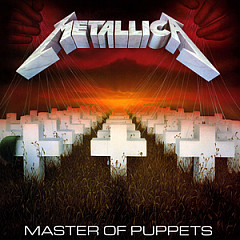
In Metallica's 1986 metal classic "Master Of Puppets," the "Master" represents drugs, controlling the user like a puppet. Lead singer James Hetfield wasn't an addict at the time, but 15 years later he needed rehab to treat his alcoholism.
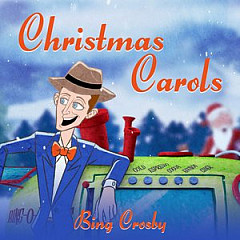
Bing Crosby debuted the song "White Christmas" in the 1942 movie Holiday Inn, where he plays a New Yorker stuck in Southern California for Christmas and missing the snow. The song became a Christmas classic and the basis for the 1954 movie White Christmas, also starring Crosby.
"Love Is A Battlefield" was written as a ballad, but Pat Benatar's guitarist/husband Neil Giraldo turned it into an uptempo song.

Jon Bon Jovi earned his first movie credit - Young Guns II - by writing "Blaze Of Glory" for the film.
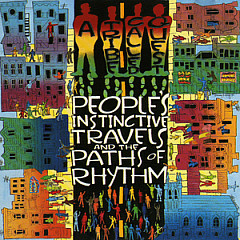
A Tribe Called Quest sampled the mellow groove of Lou Reed's 1972 classic "Walk On The Wild Side" on "Can I Kick It?" It fit their vibe, with Q-Tip and Phife Dawg trading lines about hanging out and having fun, the definition of "kickin' it."
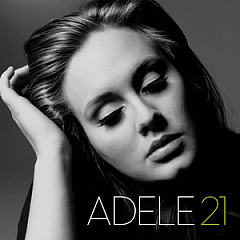
Adele's "Someone Like You" is the first song with just piano and voice to hit #1 in the history of the Billboard Hot 100, which started in 1958.
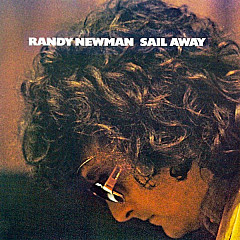
Newman makes it look easy these days, but in this 1974 interview, he reveals the paranoia and pressures that made him yearn for his old 9-5 job.

Rosanne talks about the journey that inspired her songs on her album The River & the Thread, including a stop at the Tallahatchie Bridge.
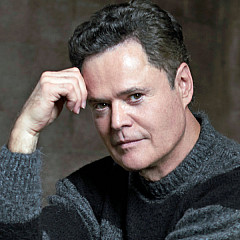
Donny Osmond talks about his biggest hits, his Vegas show, and the fan who taught him to take "Puppy Love" seriously.
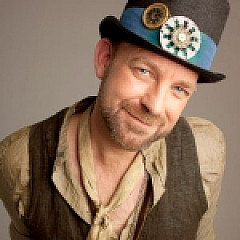
Kristian talks songwriting technique, like how the chorus should redefine the story, and how to write a song backwards.

The leader of the Modern A Cappella movement talks about the genre.
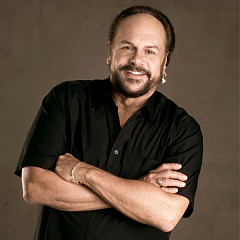
Harry Wayne Casey tells the stories behind KC and The Sunshine Band hits like "Get Down Tonight," "That's The Way (I Like It)," and "Give It Up."