

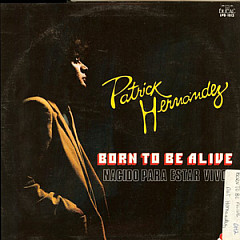
In 1979, Madonna was a dancer on Patrick Hernandez' tour, where she boogied to his hit "Born To Be Alive."
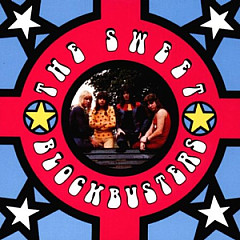
Sweet's hit "Ballroom Blitz" was inspired by an incident in 1973 when the band were performing in Scotland and driven offstage by a barrage of bottles.
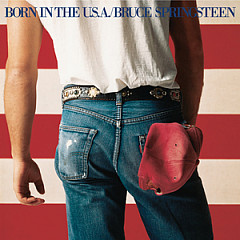
Alfonso Ribeiro's "Carlton Dance" was inspired by Bruce Springsteen and Courteney Cox' dance moves in the "Dancing In The Dark" video.
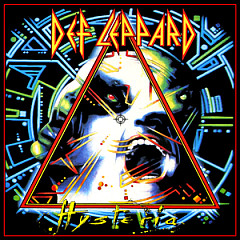
At the end of "Love Bites" by Def Leppard, there are some vocals that are hard to understand. It was rumored that they were: "Jesus of Nazareth, Go to Hell." It is actually producer Mutt Lange saying "Yes it does, Bloody Hell," with a thick British accent.
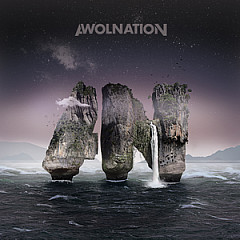
"Sail" by Awolnation was the first hit to mention ADD (Attention Deficit Disorder) in the chorus ("Blame it on my ADD"). Lead singer Aaron Bruno put that line in because his parents and teachers often told him he had that condition, which explained his poor grades.
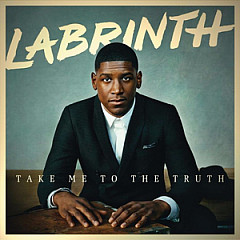
When Adele needed to cry during the filming of the video for "Hello" she played Labrinth's 2014 single "Jealous." "You could play it at my kid's birthday and I'd burst into tears," she said.
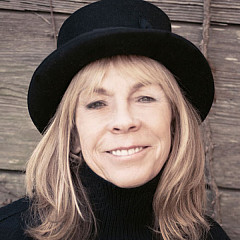
Rickie Lee Jones on songwriting, social media, and how she's handling Trump.
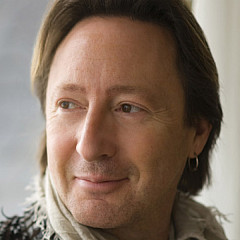
Julian tells the stories behind his hits "Valotte" and "Too Late for Goodbyes," and fills us in on his many non-musical pursuits. Also: what MTV meant to his career.
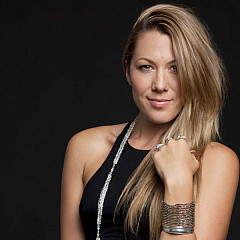
Since emerging from MySpace with her hit "Bubbly," Colbie has become a top songwriter, even crafting a hit with Taylor Swift.
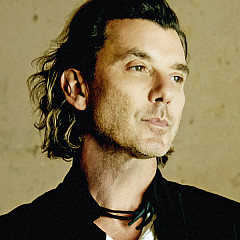
The Bush frontman on where he finds inspiration for lyrics, if his "machine head" is a guitar tuner, and the stories behind songs from the album The Kingdom.
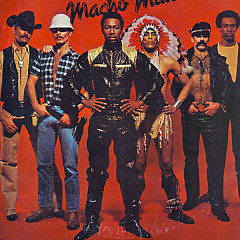
Just like Darrin was replaced on Bewitched, groups have swapped out original members, hoping we wouldn't notice.
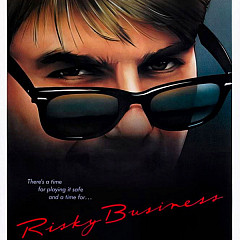
You know the scenes - Tom Cruise in his own pants-off dance off, Molly Ringwald celebrating her birthday - but do you remember what song is playing?