
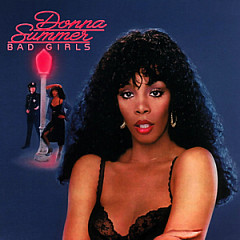
Donna Summer's "Bad Girls" is about prostitutes, but it was still used in the movie Rugrats In Paris.
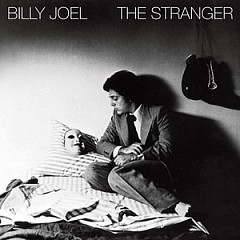
"Virginia" in "Only The Good Die Young" is named after a real girl Billy Joel was trying to impress.
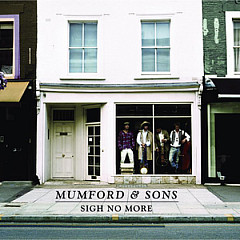
"The Cave" by Mumford & Sons is based on the philosophy of Plato and his work called "Allegory of the Cave."
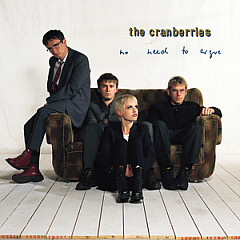
"Zombie" by The Cranberries is about an IRA bombing in England that killed two children.
In 1939, a polka craze swept America thanks to "Beer Barrel Polka (Roll Out The Barrel)."

Adele's "Hello" was the first song to sell over a million downloads in a week. What's remarkable was that this was in 2015, when streaming was a viable option. Her fans were happy to pay for the song anyway.
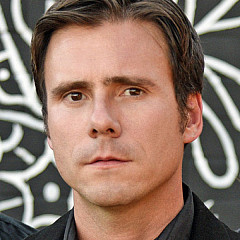
Jim talks about the impact of "The Middle" and uses a tree metaphor to describe his songwriting philosophy.
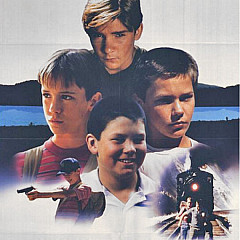
In 1986, a Stephen King novella was made into a movie, with a classic song serving as title, soundtrack and tone.

A top session musician, Carol played on hundreds of hits by The Beach Boys, The Monkees, Frank Sinatra and many others.

The 5-octave voice of the classical rock band Renaissance, Annie is big on creative expression. In this talk, she covers Roy Wood, the history of the band, and where all the money went in the '70s.
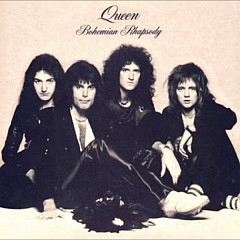
Some songs get a second life when they find a new audience through a movie, commercial, TV show, or even the Internet.
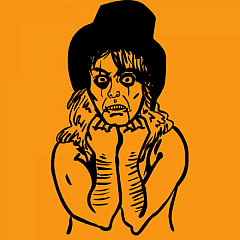
How well do you know this shock-rock harbinger who's been publicly executed hundreds of times?