

John Legend wrote "All Of Me" about his fiancée Chrissy Teigen. He sang it to her at their wedding ceremony in Como, Italy.
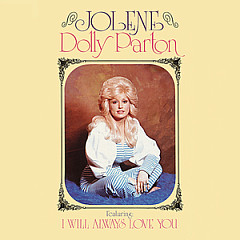
Don't play "I Will Always Love You" at your wedding - Dolly Parton wrote it about leaving someone behind to strike out on her own.
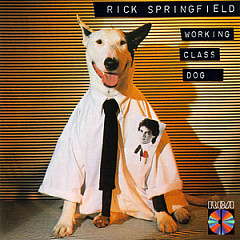
"Jessie's Girl" was the #1 song in America when MTV went on the air. They put it in hot rotation right away, making the song even more popular.

The Rick James song "Cold Blooded" is about Linda Blair from The Exorcist, his girlfriend at the time. In James' lingo, "cold blooded" means sexy, not cruel.
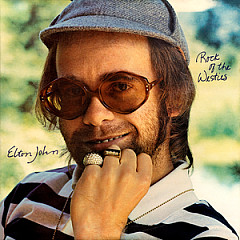
"Island Girl" was a #1 hit for Elton John in 1975, but he rarely played it live, maybe because it's about a Jamaican woman "turning tricks for the dudes in the big city."

"Hips Don't Lie" is Shakira's in-studio mantra for her crew: If her hips are moving, the song is working. If not, best to try something else.
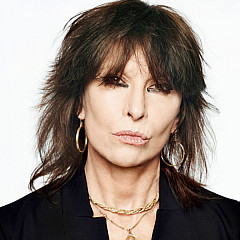
The rock revolutionist on songwriting, quitting smoking, and what she thinks of Rush Limbaugh using her song.
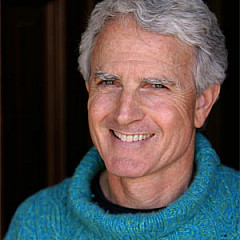
The first of Billy's five #1 hits was the song that propelled Madonna to stardom. You'd think that would get you a backstage pass, wouldn't you?

Johnny Depp, Angelina Jolie, Mila Kunis and John Malkovich are just a few of the film stars who have moonlighted in music videos.
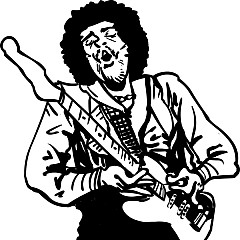
When you have a song called "Fire," it's tempting to set one - these guys did.
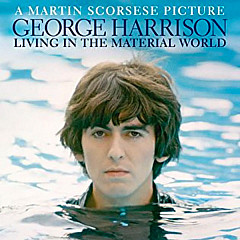
Did Eric Clapton really steal George's wife? What's the George Harrison-Monty Python connection? Set the record straight with our Fact or Fiction quiz.
Songs about drugs, revolution and greed that have been used in commercials for sneakers, jeans, fast food, cruises and cars.