
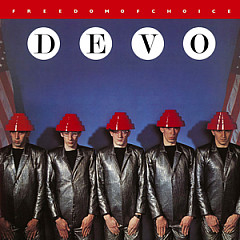
The Devo song "Freedom Of Choice" is about mindless consumerism - how people like to make frivolous choices, but otherwise want to be told what to do.

On Missy Elliott's "Work It," the backward vocal is the previous line, "Put my thing down, flip it, and reverse it," in reverse. She stumbled on it when the engineer played it backward by mistake.
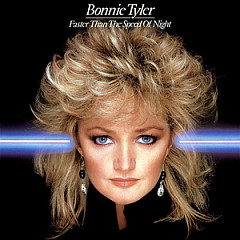
"Total Eclipse Of The Heart" by Bonnie Tyler is a tribute to the vampire movie Nosferatu, depicting an immortal "love in the dark."

Neil Young's song "Old Man" was inspired by the caretaker of the ranch he bought in 1970. Neil was the young man at the time, just 25.
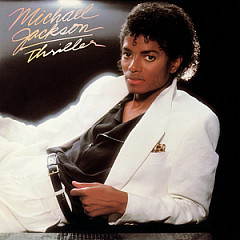
Quincy Jones wanted to change the title of "Billie Jean" to "Not My Lover" so it wouldn't be confused with the tennis star Billie Jean King. Michael Jackson refused.

Creedence Clearwater Revival's first single was a cover of a rockabilly song called "Susie Q." When it became a hit, group leader John Fogerty went into a songwriting frenzy so they wouldn't be one-hit wonders, resulting in hits like "Proud Mary" and "Lodi."
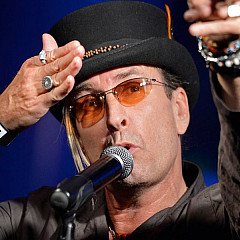
The man who brought us "Red Skies" and "Saved By Zero" is now an organic farmer in France.

What are the biggest US hits with French, Spanish (not "Rico Suave"), Italian, Scottish, Greek, and Japanese titles?
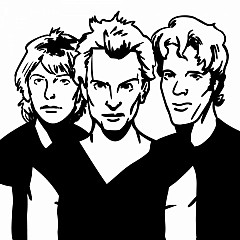
Do their first three albums have French titles? Is "De Do Do Do, De Da Da Da" really meaningless? See if you can tell in this Fact or Fiction.
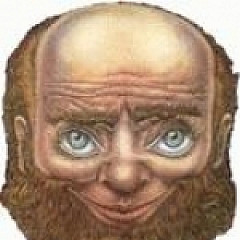
An interview with Ray and Derek Shulman of the progressive rock band Gentle Giant to discuss counterpoint, polyrhythms, and... Bon Jovi.
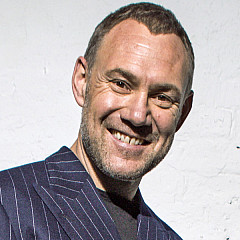
David Gray explains the significance of the word "Babylon," and talks about how songs are a form of active imagination, with lyrics that reveal what's inside us.
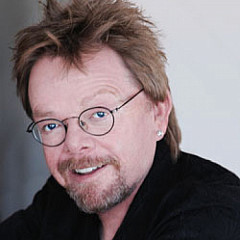
He's a singer and an actor, but as a songwriter Paul helped make Kermit a cultured frog, turned a bank commercial into a huge hit and made love both "exciting and new" and "soft as an easy chair."