Don't Wanna Break Up Again

Album: Eternal Sunshine (2024)
Charted: 28
Play Video

Songfacts®:

  • "Don't Wanna Break Up Again" blends '90s R&B and pop influences, with Ariana Grande's vocals conveying a mix of indifference, exhaustion, and a lingering desire. This song, Track 3 on her Eternal Sunshine album, explores the complexities of a strained relationship.
  • Grande sings of her emotional pain while simultaneously grappling with the pull to stay connected. She acknowledges an unbalanced dynamic ("this situationship has to end") where efforts to improve ("spent so much on therapy") feel unmatched.

    Despite the strong urge to avoid another painful separation ("I don't wanna break up again"), a deeper understanding emerges. The song recognizes that ending the relationship, however difficult, might be necessary to prevent further emotional harm for both parties.
  • Speaking to Zach Sang for Amazon Music, Grande described "Don't Wanna Break Up Again" as the "hangover" of "Bye," suggesting a lingering effect from the previous song's themes.

    Both songs deal with the aftermath of a relationship, but "Don't Wanna Break Up Again" focuses more on introspection and processing the situation. Grande said:

    "There are so many polarizing feelings that we experience as human beings with regards to one's situation, and that's what I like about these two being back to back, because in "'bye' I say, 'at least we know we tried, didn't we? The two of us, we did good,' and then in 'Don't Wanna Break Up Again' it's like, 'you didn't even try 'til the end.' Both feelings exist at different, and I like the humaness of that. I like that they are layered and complicated, and all of the different emotions that come with loving and leaving, are kinda showcased, I guess."
  • The song's release in 2024 aligns with the timeframe of Ariana Grande's separation from her husband Dalton Gomez (announced in July 2023 and finalized in October 2023). The song is likely an exploration of the complexities and emotional struggles associated with ending their relationship.
  • Grande co-wrote and co-produced the song with Max Martin and Ilya.

    Swedish songwriter and record producer Max Martin is one of the most successful figures in contemporary music. He has written and produced numerous chart-topping hits for artists like Backstreet Boys, Britney Spears, Katy Perry, Taylor Swift, The Weeknd, and many others.

    This collaboration isn't new. Martin has co-written and produced several of Ariana Grande's biggest hits, including "No Tears Left to Cry," "Break Up With Your Girlfriend, I'm Bored," and "Yes, And?."

    Another prominent Swedish songwriter and record producer, Ilya Salmanzadeh, frequently collaborates with Max Martin. Ilya is known for his work in pop, R&B, and hip-hop, crafting tracks for artists like Jennifer Lopez, Nicki Minaj, and Ellie Goulding. Similar to Martin, Salmanzadeh has a history of successful collaborations with Ariana Grande.

Comments

Be the first to comment...

Editor's Picks

Dean Pitchford

Dean PitchfordSongwriter Interviews

Dean wrote the screenplay and lyrics to all the songs in Footloose. His other hits include "Fame" and "All The Man That I Need."

Michael Franti

Michael FrantiSongwriter Interviews

Franti tells the story behind his hit "Say Hey (I Love You)" and explains why yoga is an integral part of his lifestyle and his Soulshine tour.
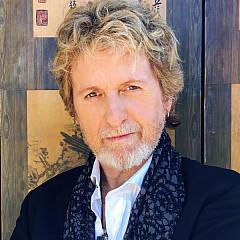
Jon Anderson

Jon AndersonSongwriter Interviews

Jon Anderson breaks down the Yes classic "Seen All Good People" and talks about his 1000 Hands album, which features Chick Corea, Rick Derringer, Ian Anderson, and many other luminaries.
Wherefore Art Thou Romeo Lyric

Wherefore Art Thou Romeo LyricMusic Quiz

In this quiz, spot the artist who put Romeo into a song lyric.

Steve Morse of Deep Purple

Steve Morse of Deep PurpleSongwriter Interviews

Deep Purple's guitarist since 1994, Steve talks about writing songs with the band and how he puts his own spin on "Smoke On The Water."

Grammar In Lyrics

Grammar In LyricsMusic Quiz

Lyrics don't always follow the rules of grammar. Can you spot the ones that don't?