
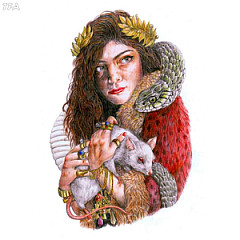
16-tear-old Lorde wrote the lyrics to "Royals" at home in just half an hour. She was inspired by the "ridiculous, unrelatable, unattainable opulence" that runs through such albums as Kanye West and Jay-Z's Watch the Throne and Lana Del Rey's Born To Die.
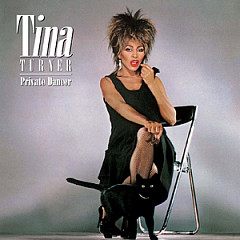
Tina Turner hated "What's Love Got To Do With It" but when her manager convinced her to record it anyway, it became her big comeback hit.
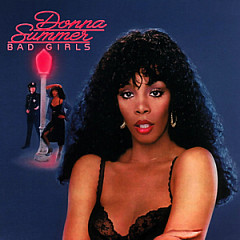
Donna Summer's "Bad Girls" is about prostitutes, but it was still used in the movie Rugrats In Paris.
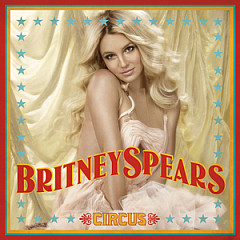
"Womanizer" was Britney Spears' comeback song, going to #1 about 10 months after she was institutionalized to get treatment for addictions and mental health issues.
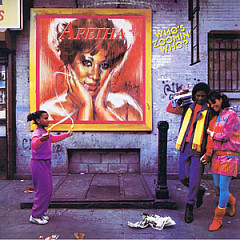
Aretha Franklin didn't drive, but one of her biggest hits was a car song: "Freeway Of Love."

The 2001 Dirty Vegas hit "Days Go By" was written by their lead singer when he was longing for his ex-girlfriend. The sad song gave him a happy ending though: They got back together after it was released and eventually got married.
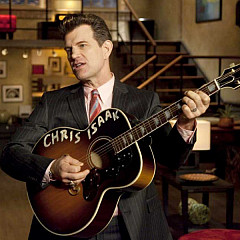
Chris tells the story of "Wicked Game," talks milkshakes and moonpies at Sun Records, and explains why women always get their way.
Prince is shrouded in mystery, making him an excellent candidate for Fact or Fiction. Is he really a Scientologist? Does he own an exotic animal?
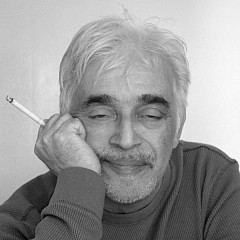
A talented lyricist, Philip helped revive Neil Sedaka's career with the words to "Laughter In The Rain" and "Bad Blood."
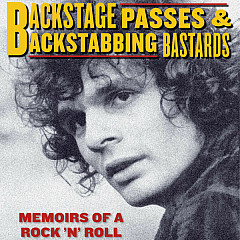
Kooper produced Lynyrd Skynyrd, played with Dylan and the Stones, and formed BS&T.
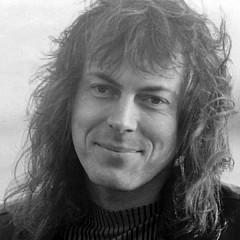
Dokken frontman Don Dokken explains what broke up the band at the height of their success in the late '80s, and talks about the botched surgery that paralyzed his right arm.

Vince Gill, Emmylou Harris and Lyle Lovett are just a few of the artists who have looked to Clark for insightful, intelligent songs.