Chimes Of Freedom

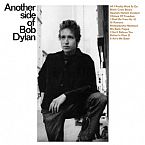
Album: Another Side of Bob Dylan (1964)
Play Video

Songfacts®:

  • Upon casual listen, the obvious interpretation of the song is that it's about bells or chimes but, as Paul Williams points out in his book Bob Dylan: Performing Artist (The Early Years), a close listen/read reveals that the song is actually about lightning. In the lyrics, Dylan describes ducking into a doorway to escape a storm and, while standing with his unnamed compatriot, having a synesthetic experience in which the flashes of lightning become like flashing bells ringing out for the oppressed everywhere.
  • "Chimes of Freedom" by Bob Dylan is an arch-typical song from his rebellious period, of which a lot was served up on Another Side of Bob Dylan. It was written in 1964 and is influenced by the symbolist poetry of Arthur Rimbaud. Its subject muses over the unfairness of the treatment of downtrodden people, while citing the rumbling thunder as crying for them.

    Music critic Paul Williams called the song Dylan's "Sermon on the Mount." (Referring to the King James' Bible Matthew chap. 5-7).
  • "Mr. Tambourine Man" shares a niche with this song, being the other Dylan song influenced by Rimbaud's poetry and also having been written at about the same time.
  • This song was a big part of Dylan's tour performances in 1964, but he retired it soon after only to revive it again in 1987 on tours with The Grateful Dead and Tom Petty and the Heartbreakers.
  • Dylan scholar Mike Marqusee in his book Chimes of Freedom: The Politics of Bob Dylan's Art marks this song as the transition from Dylan the angry protest folk singer to Dylan the born-again pacifist moral poet.
  • Heavy speculation ensues that Dylan wrote this in reaction to US president John Kennedy's assassination. Dylan denies this, but then he denies everything the media says about him.
  • Dylan played "Chimes of Freedom" live before the Lincoln Memorial in 1993 for the inauguration of US president Bill Clinton.

Comments: 2

  • Edlis from Havanahttps://www.facebook.com/groups/edlis.cafe/permalink/708882165816985/

    "Bob's song "Chimes of Freedom" was begun when he was staying at the Waldorf Astoria on Charles St. in Toronto in 1964; the original MS is on hotel stationery. Listening to the song today, I noticed that church bells are repeatedly mentioned, and this got me wondering if he was hearing church bells in his hotel room. He was in Toronto to tape the CBC television show "Quest" on Saturday, Feb. 1. Did he hear church bells the following Sunday morning, coming from St. Paul's Anglican Church, just across Hayden Street? As for the weather - the "thunder crashing", the "blowin' rain" and the "wild ripping hail," there was 5 mm of rain the night of January 31. I called St. Paul's and they have one bell, now decommissioned." — Mike Daley
  • Reg from Kemptville, On"Chimes Of Freedom" is one of the Dylan songs covered by The Byrds.
see more comments

Editor's Picks

16 Songs With a Heartbeat

16 Songs With a HeartbeatSong Writing

We've heard of artists putting their hearts into their music, but some take it literally.

Yoko Ono

Yoko OnoSongwriter Interviews

At 80 years old, Yoko has 10 #1 Dance hits. She discusses some of her songs and explains what inspired John Lennon's return to music in 1980.

Alice Cooper

Alice CooperFact or Fiction

How well do you know this shock-rock harbinger who's been publicly executed hundreds of times?

Harold Brown of War

Harold Brown of WarSongwriter Interviews

A founding member of the band War, Harold gives a first-person account of one of the most important periods in music history.

Bob Daisley

Bob DaisleySongwriter Interviews

Bob was the bass player and lyricist for the first two Ozzy Osbourne albums. Here's how he wrote songs like "Crazy Train" and "Mr. Crowley" with Ozzy and Randy Rhoads.

Ian Anderson: "The delight in making music is that you don't have a formula"

Ian Anderson: "The delight in making music is that you don't have a formula"Songwriter Interviews

Ian talks about his 3 or 4 blatant attempts to write a pop song, and also the ones he most connected with, including "Locomotive Breath."