

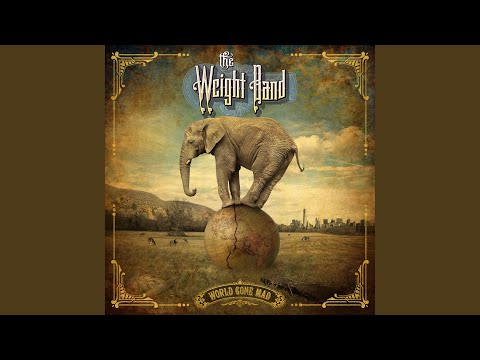

The Nicolette Larson hit "Lotta Love" was written by Neil Young, who recorded a very different version of the song.
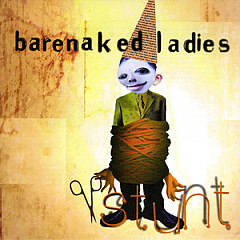
"One Week" by Barenaked Ladies was a #1 hit in America - for exactly one week in 1998.
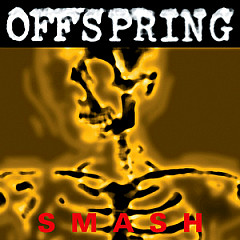
The line, "Gotta keep 'em separated" in "Come Out And Play" by The Offspring came to lead singer Dexter Holland when he was a medical student and needed to keep bacteria samples away from each other.

Pitbull's line "I got it locked up like Lindsay Lohan" in his 2011 song "Give Me Everything (Tonight)" didn't go over well with Lohan, who sued him for defamation. Around this time, she was in a downward spiral and often getting arrested. Her case was thrown out, but she did get her life back together.

"Rhythm Of My Heart" by Rod Stewart is about a soldier at war - his heart is beating like a drum because he's in battle.
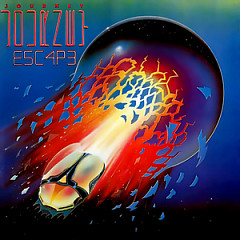
Journey's "Don't Stop Believin'" lyric was inspired by Sunset Boulevard in Los Angeles, making it perfect for the Rock of Ages musical.
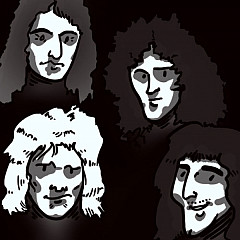
Scaramouch, a hoople and a superhero soundtrack - see if you can spot the real Queen stories.
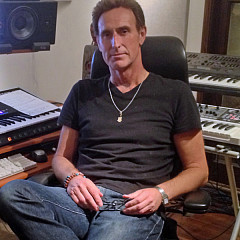
With Bernie Taupin, Martin co-wrote the #1 hits "We Built This City" and "These Dreams." After writing the Pretty Woman song for Go West, he had his own hit with "In the House of Stone and Light."

A Soul Train dancer takes us through a day on the show, and explains what you had to do to get camera time.

What are the biggest US hits with French, Spanish (not "Rico Suave"), Italian, Scottish, Greek, and Japanese titles?

Don breaks down "Hotel California" and other songs he wrote as a member of the Eagles. Now we know where the "warm smell of colitas" came from.
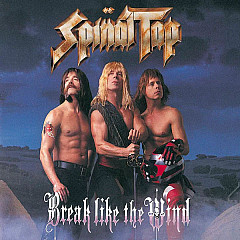
They sang about pink torpedoes and rocking you tonight tonight, but some real lyrics are just as ridiculous. See if you can tell which lyrics are real and which are Spinal Tap in this lyrics quiz.