
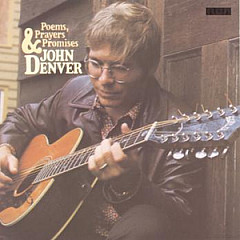
"Take Me Home Country Roads" is set in West Virginia, but John Denver had never been there when he recorded the song. The country roads represent a sense of belonging.

"Love Is A Battlefield" was written as a ballad, but Pat Benatar's guitarist/husband Neil Giraldo turned it into an uptempo song.
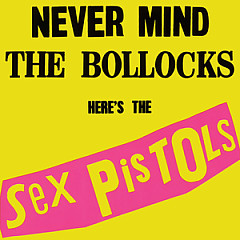
The riff for The Sex Pistols' "Pretty Vacant" was pinched from a very unpunk song, the ABBA ballad "S.O.S."
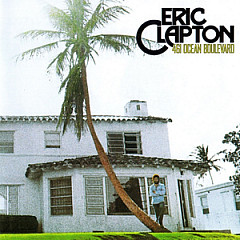
Eric Clapton's only Hot 100 #1, either solo or with one of his many bands, was his cover of Bob Marley's "I Shot The Sheriff."

Boston leader Tom Scholz went back to his job at Polaroid after releasing the group's debut album. When his co-workers kept coming by to tell him "More Than A Feeling" was playing on the radio, he knew it was time to quit his day job.

Jon Bon Jovi earned his first movie credit - Young Guns II - by writing "Blaze Of Glory" for the film.
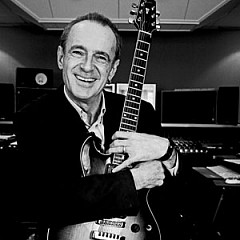
Doubt led to drive for Francis, who still isn't sure why one of Status Quo's biggest hits is so beloved.
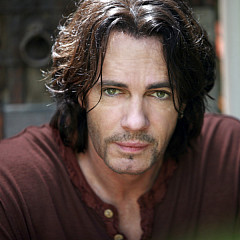
Rick has a surprising dark side, a strong feminine side and, in a certain TV show, a naked backside. But he still hasn't found Jessie's Girl.

Who writes a song about a name they found in a phone book? That's just one of the everyday things these guys find to sing about. Anything in their field of vision or general scope of knowledge is fair game. If you cross paths with them, so are you.
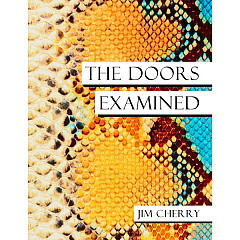
Doors expert Jim Cherry, author of The Doors Examined, talks about some of their defining songs and exposes some Jim Morrison myths.

Did Rivers Cuomo grow up on a commune? Why did they name their albums after colors? See how well you know your Weezer in this Fact or Fiction.
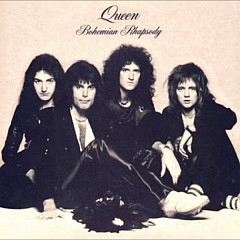
Some songs get a second life when they find a new audience through a movie, commercial, TV show, or even the Internet.