
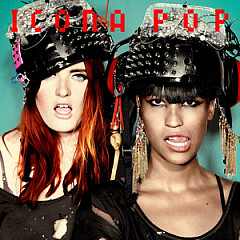
Icona Pop consider "I Love It" a kiss-off to their boyfriends. "We just wanted to get the song out and get the pigs to hear it," group member Jawo said.
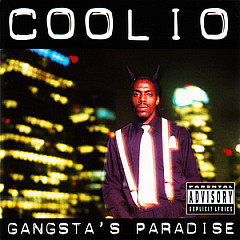
Coolio's "Gangsta's Paradise" was the #1 single in Australia for 13 weeks. It holds the record for the longest running chart topper Down Under since the first ever ARIA Chart was listed in 1983.
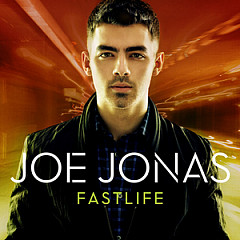
Lil Wayne does an unlikely rap in a remix of the Joe Jonas song "Just In Love." The pair met at the 2008 MTV Video Music Awards.
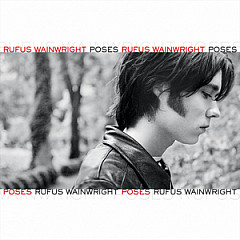
"Cigarettes And Chocolate Milk" describes a time in Rufus Wainwright's life when he found himself hungover and pounding chocolate milk to feel better. It didn't work, so he smoked a cigarette, which is when he realized his addictive personality could be a problem.
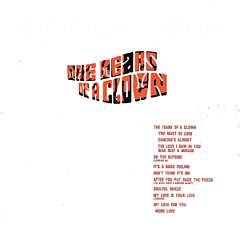
The most famous pop song featuring a bassoon: "The Tears of a Clown" by Smokey Robinson & the Miracles.
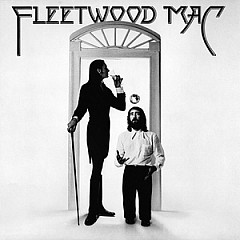
Stevie Nicks wrote "Landslide" before she joined Fleetwood Mac. She was considering going back to school when she and her boyfriend Lindsey Buckingham were asked to join the group.

Country songs with titles so bizarre they can't possibly be real... or can they?
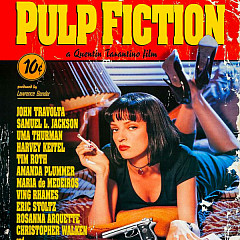
Whether he's splitting ears or burning Nazis, Quentin Tarantino uses memorable music in his films. See if you can match the song to the scene.
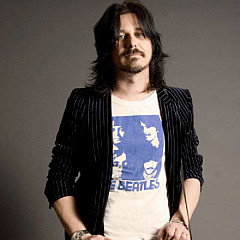
The Guns N' Roses rhythm guitarist in the early '90s, Gilby talks about the band's implosion and the side projects it spawned.

Call us crazy, but we like it when an artist comes around who doesn't mesh with the status quo.
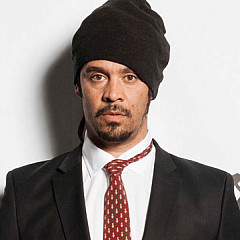
Franti tells the story behind his hit "Say Hey (I Love You)" and explains why yoga is an integral part of his lifestyle and his Soulshine tour.
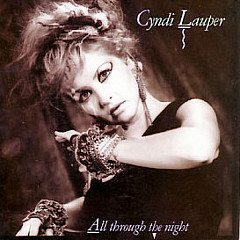
Shears does very little promotion, which has kept him secluded from the spotlight. What changed when Cyndi Lauper had a hit with his song? Not much, really.