

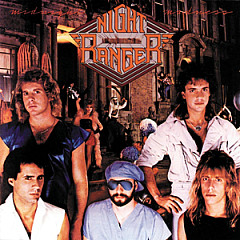
"Sister Christian" was written by Night Ranger drummer Kelly Keagy, who was imploring his younger sister to be careful in her reckless youth, especially when "motoring" (driving around) with friends.
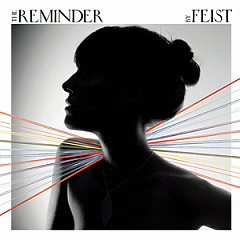
Feist's "1234" is "about lost love, and the hope to recapture what you once had," but it's best known for the Sesame Street version about counting to four.
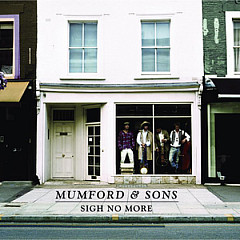
"The Cave" by Mumford & Sons is based on the philosophy of Plato and his work called "Allegory of the Cave."

Katy Perry's breakout hit, "I Kissed A Girl," was surprising to those familiar with her past: Her parents were pastors and she started off singing Christian music.
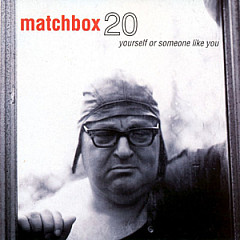
The Matchbox Twenty song "3 AM" is about the difficult times lead singer Rob Thomas spent caring for his mother, who had cancer.
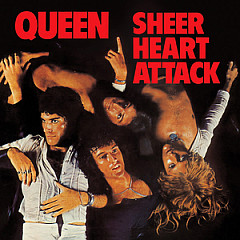
The Queen song "Killer Queen," according to lead singer Freddie Mercury, is about a high-class call girl.
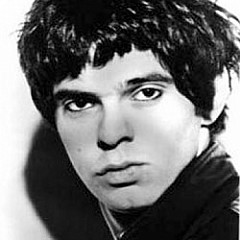
JJ talks about The Stranglers' signature sound - keyboard and bass - which isn't your typical strain of punk rock.
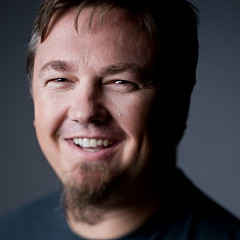
"I'll Be" was what Edwin called his "Hail Mary" song. He says it proves "intention of the songwriter is 180 degrees from potential interpretation by an audience."
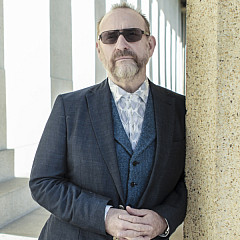
Established as a redoubtable singer-songwriter, the Men At Work frontman explains how religion, sobriety and Jack Nicholson play into his songwriting.
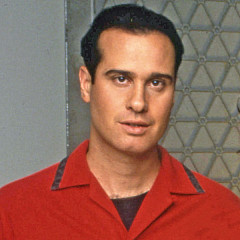
Stone Temple Pilots bass player Robert DeLeo names the songs that have most connected with fans and tells the stories behind tracks from their Tiny Music album.
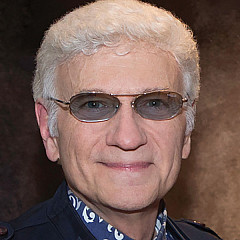
Dennis DeYoung explains why "Mr. Roboto" is the defining Styx song, and what the "gathering of angels" represents in "Come Sail Away."
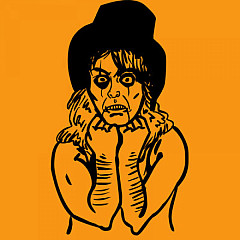
How well do you know this shock-rock harbinger who's been publicly executed hundreds of times?