

Chuck Berry's only #1 hit was "My Ding-a-Ling," a novelty song about a boy and his... you know.
Simon Rex from the TV show What I Like About You and Wilmer Valderrama from That 70s Show both appear in the LMFAO video for "Sexy and I Know It."
The first single from the Thriller album was "The Girl Is Mine," chosen over "Billie Jean" and "Beat It" because it was a duet with Paul McCartney and thus guaranteed airplay.

The 2001 Dirty Vegas hit "Days Go By" was written by their lead singer when he was longing for his ex-girlfriend. The sad song gave him a happy ending though: They got back together after it was released and eventually got married.
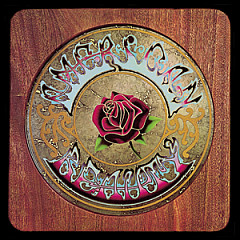
"Truckin'" was written as the Grateful Dead were starting their long, strange trip, settling into a life of constant touring. They rode busses and holed up in modest hotels to stay grounded.
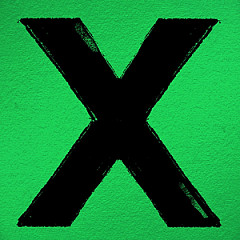
"Sing" was inspired by a girl that Ed Sheeran met in Las Vegas in the summer of 2013, when "one thing led to another and now she's kissing my mouth."
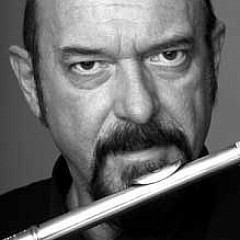
The flautist frontman talks about touring with Led Zeppelin, his contribution to "Hotel California", and how he may have done the first MTV Unplugged.
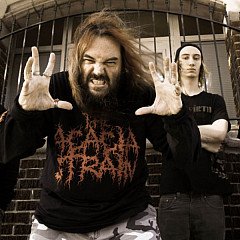
The Brazilian rocker sees pictures in his riffs. When he came up with one of his gnarliest songs, there was a riot going on.
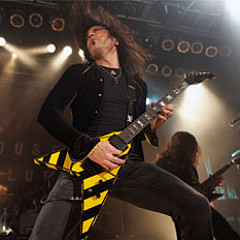
Find out how God and glam metal go together from the Stryper frontman.
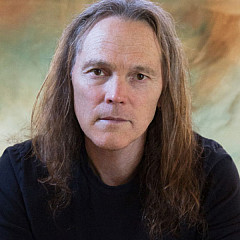
The longtime Eagle talks about soaring back to his solo career, and what he learned about songwriting in the group.
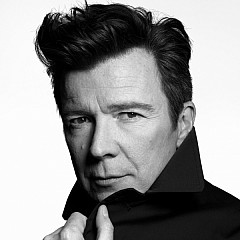
Rick Astley on "Never Gonna Give You Up," "Cry For Help," and his remarkable resurgence that gave him another #1 UK album.
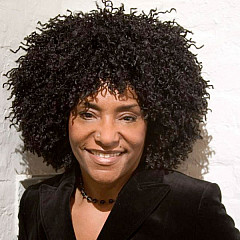
The lead singer on "Da Doo Ron Ron" and "Then He Kissed Me," La La explains how and why Phil Spector replaced The Crystals with Darlene Love on "He's A Rebel."