


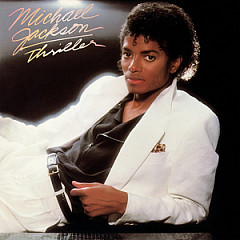
Vincent Price did the spooky narration on "Thriller." He was paid a flat fee of $20,000, turning down a percentage of the royalties that would have paid him far more.
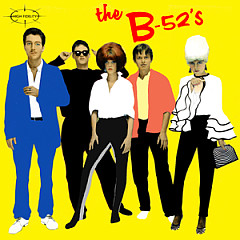
Vegetarian Fred Schneider of the B-52's got the idea for "Rock Lobster" at an Atlanta disco when a projector displayed images of lobsters on a grill.
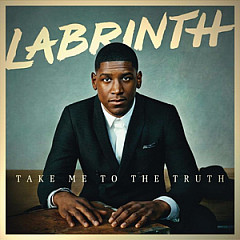
When Adele needed to cry during the filming of the video for "Hello" she played Labrinth's 2014 single "Jealous." "You could play it at my kid's birthday and I'd burst into tears," she said.
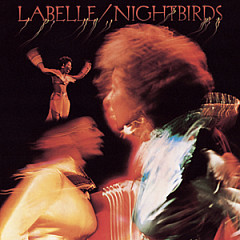
The chorus of "Voulez-vous coucher avec moi ce soir" in "Lady Marmalade" is French for "Do you want to sleep with me tonight?" When Labelle performed it on television, they had to change it to "Voulez-vous danser avec moi ce soir" (Do you want to dance with me tonight?).
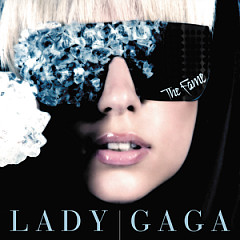
"Just Dance" was Lady Gaga's first hit, and it also brought the techno-synth sound that had been popular in Europe for the previous decade to the United States.
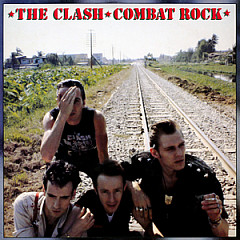
"Should I Stay or Should I Go?" by The Clash features some Spanish lines ("esta indecisión me molesta!") by the Texas singer Joe Ely.
MTV, a popular TV theme song and Madonna all show up in this '80s music quiz.
A big list of musical marriages and family relations ranging from the simple to the truly dysfunctional.
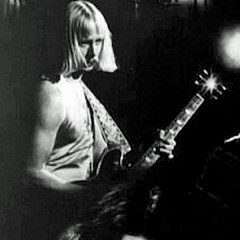
In this talk from the '80s, the Kansas frontman talks turning to God and writing "Dust In The Wind."
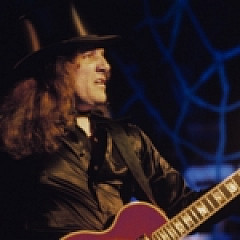
The co-writer/guitarist on many Alice Cooper hits, Dick was also Lou Reed's axeman on the Rock n' Roll Animal album.
Christopher Cross with Deep Purple? Kenny Loggins in Caddyshack? A Fact or Fiction all about yacht rock and those who made it.
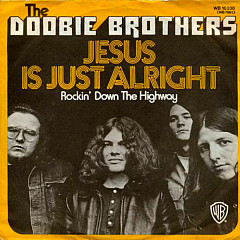
These overtly religious songs crossed over to the pop charts, despite resistance from fans, and in many cases, churches.