How Many More Years

Album: The Sun Records Collection (1951)
Play Video

Songfacts®:

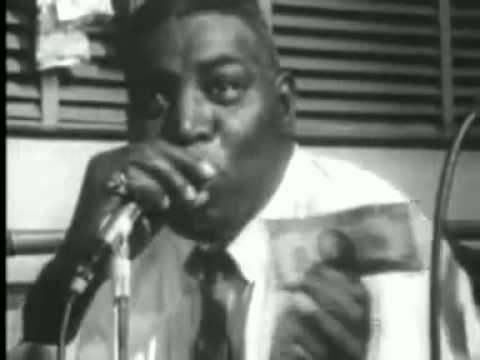
  • By 1948, Howlin' Wolf had established himself within the Memphis community as something of a local celebrity. The Chicago bluesman had a 15-minute radio show to help advertise his local appearances and he started recording in 1951, after Sun Studio founder, Sam Phillips, heard him on his radio show. The first two songs that Wolf laid down were this track, along with "Moanin' At Midnight," on August 15, 1951.

    Famed rootsy-Americana producer T Bone Burnett, is one of many aficionados of the Sun sound who cite this as the first rock 'n' roll song. Speaking with Uncut magazine in an April 2012 interview, he argued: "The first major breakthrough Sam made was with Howlin' Wolf. That's when he started bringing the bass and drums up loud. Back in those days, the bass and drums were background instruments; it was about the horns and the piano, the melody instruments, and Sam brought the rhythm section right up front, and that became rock 'n' roll. That was a big shift. In some ways 'How Many More Years' by Wolf would be the first rock 'n' roll song because that has the guitar lick that became the central guitar lick in rock 'n' roll, and that's the first time we heard that played on a distorted guitar. It was an old big band lick, turned into something completely fresh."
  • Howlin' Wolf was 6 feet, 6 inches tall and close to 300 pounds, but in this song he's been pushed around by a woman, and wonders how much longer he's going to endure it. At the end of the song, he says he's going to get his stuff and leave, but we're not sure if he'll go through with it.

    Wolf wrote the song, which is credited to his real name, Chester Burnett.
  • Led Zeppelin borrowed extensively from this song for their 1969 track, "How Many More Times."
  • The Rolling Stones did their part to spread the gospel of Howlin' Wolf. When they appeared on the American variety show Shindig! on May 20, 1965, they made sure Wolf, then 55, was on the program (they had a #1 hit in the UK with "Little Red Rooster," originally recorded by Wolf). Wolf performed "How Many More Years" with Billy Preston on piano; to introduce him, host Jack Good had them say a few words about Wolf, who was unfamiliar to most Shindig! viewers. Brian Jones, the Stones lead guitarist and blues junkie, said: "When we first started playing together, we started playing because we wanted to play rhythm and blues, and Howlin' Wolf was one of our greatest idols. It's a great pleasure to find he's been booked on this show tonight. I think it's about time you shut up and we have Howlin' Wolf on stage."

Comments: 1

  • Steve from CincinnatiAn interesting bit of trivia. Ike Turner was the piano player on this song.
see more comments

Editor's Picks

Best Band Logos

Best Band LogosSong Writing

Queen, Phish and The Stones are among our picks for the best band logos. Here are their histories and a design analysis from an expert.
Jonathan Cain of Journey

Jonathan Cain of JourneySongwriter Interviews

Cain talks about the divine inspirations for "Don't Stop Believin'" and "Faithfully."

Paul Williams

Paul WilliamsSongwriter Interviews

He's a singer and an actor, but as a songwriter Paul helped make Kermit a cultured frog, turned a bank commercial into a huge hit and made love both "exciting and new" and "soft as an easy chair."
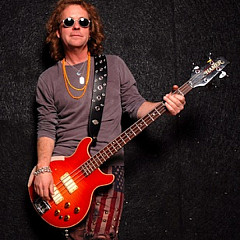
Jack Blades of Night Ranger and Damn Yankees

Jack Blades of Night Ranger and Damn YankeesSongwriter Interviews

Revisit the awesome glory of Night Ranger and Damn Yankees: cheesily-acted videos, catchy guitar licks, long hair, and lyrics that are just plain relatable.
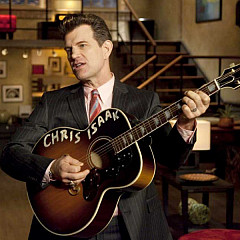
Chris Isaak

Chris IsaakSongwriter Interviews

Chris tells the story of "Wicked Game," talks milkshakes and moonpies at Sun Records, and explains why women always get their way.

80s Video Director Jay Dubin

80s Video Director Jay DubinSong Writing

Billy Joel and Hall & Oates hated making videos, so they chose a director with similar contempt for the medium. That was Jay Dubin, and he has a lot to say on the subject.