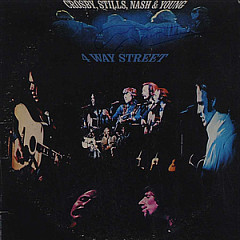
Neil Young wrote the CSN&Y song "Ohio" about the Kent State Shootings, when the National Guard opened fire on students at Kent State University in Ohio, killing four.
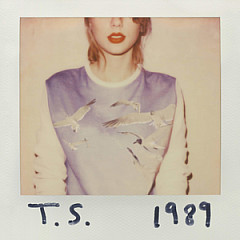
Taylor Swift's "Shake It Off" was inspired by how she'd learned to deal with all the false rumors that circulated about her. She realized she could either let it get to her or "just shake it off."
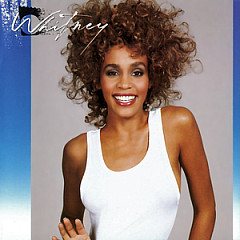
Whitney Houston's "I Wanna Dance With Somebody" is a joyful-sounding song with lyrics that are surprisingly somber: "when the night falls, loneliness calls." It's co-writer explained: "Many of our friends were in this boat - 5 o'clock comes around, they start getting restless."
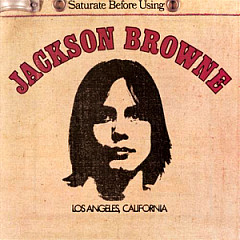
A problem with his eyes gave Jackson Browne the idea for "Doctor My Eyes," which became a song about a man whose mental health suffers when he sees the world for what it really is.

Gina in Bon Jovi's "Livin' On A Prayer" is based on a singer named Maria Vidal, who was working as a singing waitress using the name Gina Velvet.
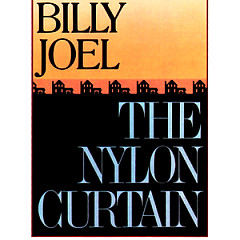
Billy Joel's song "Allentown" was written as "Levittown," which is the town in Long Island where he grew up. He got the idea to change it after taking a trip to Pennsylvania.
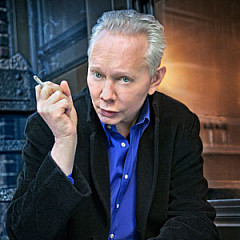
Joe talks about the challenges of of making a Duke Ellington tribute album, and tells the stories behind some of his hits.
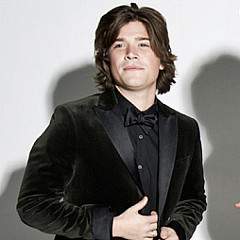
Zac tells the story of Hanson's massive hit "MMMbop," and talks about how brotherly bonds effect their music.
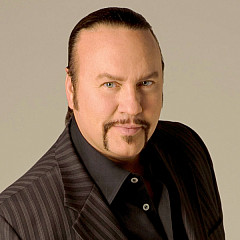
One of the most successful songwriters in the business, Desmond co-wrote "Livin' La Vida Loca," "Dude (Looks Like A Lady)" and "Livin' On A Prayer."
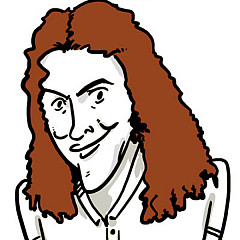
Did Al play on a Beach Boys record? Did he have beef with George Lucas and Coolio? See if you can spot weird but true stories.
Songs that seem to glorify violence against women are often misinterpreted - but not always.