
Neil Young's song "Old Man" was inspired by the caretaker of the ranch he bought in 1970. Neil was the young man at the time, just 25.

"Kashmir" is the only Led Zeppelin song to use outside musicians, as it needed strings and horns.
The original "Venus" was a #1 hit for the Dutch band Shocking Blue. Listen to the first line and you'll hear a muffed word: "goddess" was sung as "goddness."
A gospel choir appears in Sam Smith's "Stay With Me" video, but the vocals on the song are all Smith - about 20 tracks of his voice were used to make him sound like a chorus.

The Nicolette Larson hit "Lotta Love" was written by Neil Young, who recorded a very different version of the song.
The Steve Miller song "Abracadabra" was inspired by Diana Ross and The Supremes. Miller first met the girl group when they performed together on NBC's Hullabaloo in 1966, and he wrote the lyrics after spotting Diana Ross skiing years later.
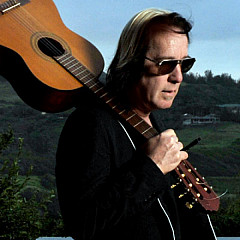
Todd Rundgren explains why he avoids "Hello It's Me," and what it was like producing Meat Loaf's Bat Out of Hell album.
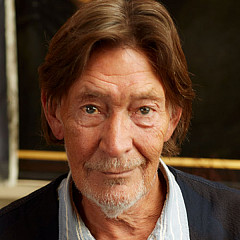
It took him seven years to recover from his American hit "Fool (If You Think It's Over)," but Chris Rea became one of the top singer-songwriters in his native UK.
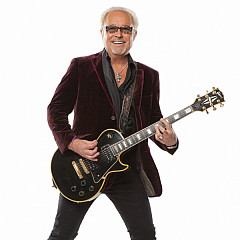
Foreigner's songwriter/guitarist tells the stories behind the songs "Juke Box Hero," "I Want To Know What Love Is," and many more.
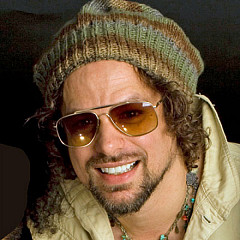
Michael tells the story of "Send Me On My Way," and explains why some of the words in the song don't have a literal meaning.
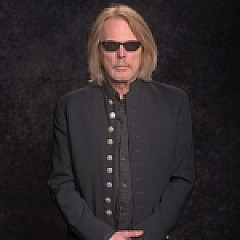
Writing with Phil Lynott, Scott saw their ill-fated frontman move to a darker place in his life and lyrics.