
Barstool Blues

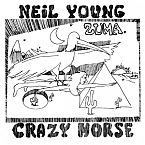
Album: Zuma (1975)
Play Video

Songfacts®:

  • It's difficult to tell if the "barstool" in the song title is referring to Young, the woman he's singing about, or both. The first verse seems to be sung from the perspective of a drunk, muddle-brained guy at a bar, with Young crooning:

    If I could hold on to just one thought for long enough to know
    Why my mind is moving so fast and the conversation so slow


    The second verse switches gear a bit and puts the woman he's missing on the barstool.

    I saw you on the barstool when you held that glass so tight

    Whichever was the primary inspiration for the title, this is one of Young's most moving songs. It's full of raw anguish and despair, none of it girded by the sort of anger and resentment that runs just beneath the surface of songs on the infamously dreary Tonight's The Night or On The Beach. This song is all pain and longing, pure and unabashed.

    Unfortunately, we'll probably never know exactly what it was about, because Young doesn't remember writing it.

    "'Barstool Blues,'" Young says in the book Shakey, "We came home from the bar and I wrote that song, I woke up and I went, 'F--k!' I couldn't remember writing it."
  • The third verse is probably the most interesting of the whole tune, with Young talking about a "friend" that sounds suspiciously similar to himself.

    Once there was a friend of mine who died a thousand deaths
    His life was filled with parasites and countless idle threats


    Though this phrase can mean many things, Young around this time frequently sang about the perils of being famous and all the "parasites" that such a state invited in. In addition to lamenting the destructive impact drugs had had on his friends, it's probably the most common theme from this part of his career, so it's difficult to see this "friend" as anyone other than him.
  • It's possible that song can be added to another list of Young songs inspired by girlfriend and mother of his son, Carrie Snodgress. We'll never know for sure because Young can't remember himself, but the line, "I have seen you in the movies" is suggestive, as Snodgress was an actress. Also, only a year earlier on 1974's On The Beach, Young had sung openly about Snodgress in "Motion Pictures."
  • In Shakey, Neil Young expert Jimmy McDonough holds this song in high regard, saying, "If God asked for a definition of beauty, I'd play him 'Barstool Blues': the shambling 'It's All Over Now, Baby Blue' melody."
  • Crazy Horse bassist Billy Talbot believes "Barstool Blues" was inspired by the breakdown of Young's relationship with actress Carrie Snodgrass, the mother of his son Zeke. "'Barstool Blues' was definitely a reflection of that time, being in a bar alone or maybe with your mates and basically thinking about not being with your woman anymore," he told Uncut magazine. "That's a state that a person finds themselves in, in certain circumstances."

Comments

Be the first to comment...

Editor's Picks

Susanna Hoffs - "Eternal Flame"

Susanna Hoffs - "Eternal Flame"They're Playing My Song

The Prince-penned "Manic Monday" was the first song The Bangles heard coming from a car radio, but "Eternal Flame" is closest to Susanna's heart, perhaps because she sang it in "various states of undress."

Matt Sorum

Matt SorumSongwriter Interviews

When he joined Guns N' Roses in 1990, Matt helped them craft an orchestral sound; his mezzo fortes and pianissimos are all over "November Rain."

Motley Crue

Motley CrueFact or Fiction

Was Dr. Feelgood a dentist? Did the "Crüecifixion" really happen?

Michael Glabicki of Rusted Root

Michael Glabicki of Rusted RootSongwriter Interviews

Michael tells the story of "Send Me On My Way," and explains why some of the words in the song don't have a literal meaning.

Goodbye, Hello: Ten Farewell Tour Fake-Outs

Goodbye, Hello: Ten Farewell Tour Fake-OutsSong Writing

The 10 biggest "retirement tours" that didn't take.

Jesus In Pop Hits: The Gospel Songs That Went Mainstream

Jesus In Pop Hits: The Gospel Songs That Went MainstreamSong Writing

These overtly religious songs crossed over to the pop charts, despite resistance from fans, and in many cases, churches.