


The TV show One Tree Hill got it's name from a song of the same name on U2's Joshua Tree album.
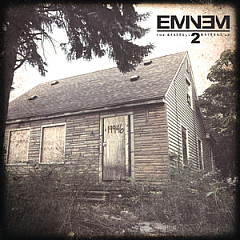
Eminem spits a total of 1,560 words on "Rap God," earning him an entry in the 2015 Guinness Book of Records for "most words in a hit single."
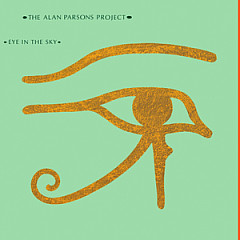
The song used in introductions by the Chicago Bulls and many other sports teams is "Sirius" by The Alan Parsons project, the opening track on the Eye In The Sky album.
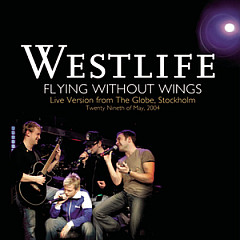
A live, stripped-down version of "Flying Without Wings" by the Irish boy band Westlife was the first #1 on the Official UK Download Chart. It was recorded in May 1994 at The Globe, Stockholm.
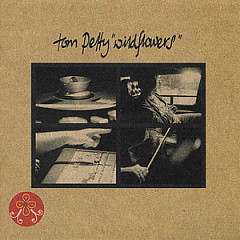
Tom Petty was a big star on MTV, but he ran afoul of their policies with the line "let's roll another joint" in "You Don't Known How It Feels." The network ended up reversing the word "joint" so it was unintelligible, then giving the video a VMA for Best Male Video.
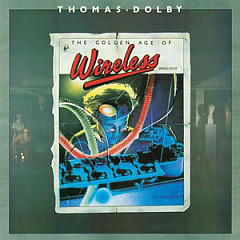
Thomas Dolby wrote "She Blinded Me With Science" so he could direct the video, which was inspired by silent films and set in a "home for deranged scientists."
Despite appearances on Carson, Leno and a Pennebaker film, Williams remains a hidden treasure.

Rosanne talks about the journey that inspired her songs on her album The River & the Thread, including a stop at the Tallahatchie Bridge.

On Glen's résumé: hit songwriter, Facebook dominator, and member of Styx.

Go beyond The Beatles to see what you know about the British Invasion.
Zac tells the story of Hanson's massive hit "MMMbop," and talks about how brotherly bonds effect their music.
After cutting his teeth on hardcore punk videos, Paul defined the grunge look with his work on "Hunger Strike" and "Man in the Box."