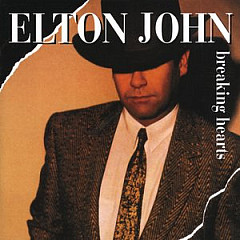
Part of Elton John's '80s resurgence was "Sad Songs (Say So Much)," which got a lot of exposure in commercials for Sasson jeans, reworked as "Sasson Says So Much." This was Elton's idea - he even got Sasson to sponsor his American tour.
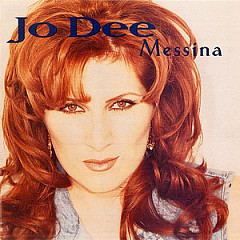
Jo Dee Messina's 1996 country classic "Heads Carolina, Tails California" was inspired by a book released the previous year called Border Music by Robert James Waller, where the main character flips a coin to decide his next destination.
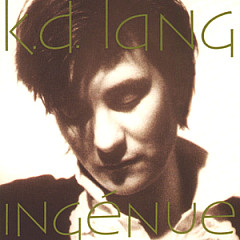
"Constant Craving" by k.d. lang deals with principles of Buddhism, including the cycles of birth and death.
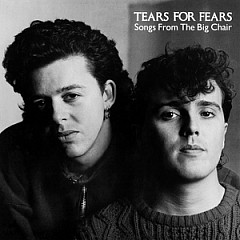
"Everybody Wants To Rule The World" was a line from a 1980 Clash song called "Charlie Don't Surf." Tears For Fears used it as the title of their 1985 hit.
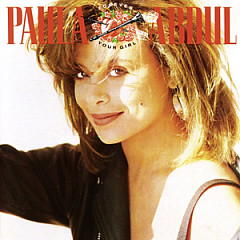
MC Skat Kat was created for the remix of "Opposites Attract," which was released as the last single from Paula Abdul's Forever Your Girl album. The team that created the Kat also did a-ha's "Take On Me" video.
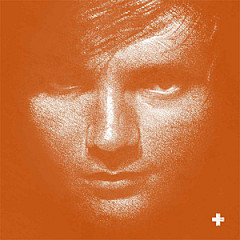
Ed Sheeran's first single was "The A Team," a song about a homeless drug-addict who turns to prostitution. He wrote it based on a woman he met while volunteering at a shelter; Ed was shocked when it became a hit and launched his career.

Who writes a song about a name they found in a phone book? That's just one of the everyday things these guys find to sing about. Anything in their field of vision or general scope of knowledge is fair game. If you cross paths with them, so are you.
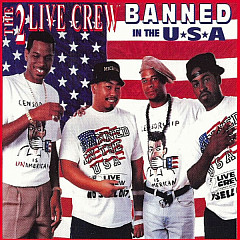
In the summer of 1990, you could get arrested for selling a 2 Live Crew album or performing their songs in Southern Florida. And that's exactly what happened.
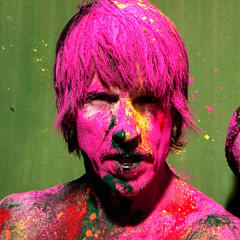
The Red Hot Chili Peppers have some rather unusual song titles - see if you can spot the real ones.
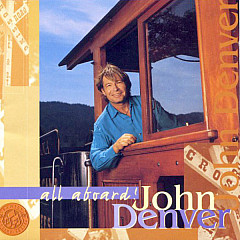
With the rise of Kindie rock, more musicians are embracing their inner child with tunes for tots - here, we look at pop stars who recorded kids' albums.
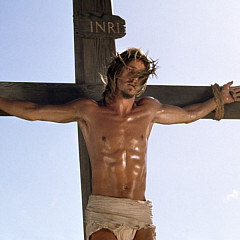
The in-depth discussion about the making of Jesus Christ Superstar with Ted Neeley, who played Jesus in the 1973 film.