
Cigarette Smoke

Album: You Seem Pretty Sad for a Girl So in Love (2026)
Charted: 27
Play Video

Songfacts®:

  • "Cigarette Smoke" is Olivia Rodrigo's post-mortem on a failed relationship. The song uses the lingering smell of a cigarette as a metaphor for the emotional residue left behind by an ex-lover. Just as cigarette smoke clings to clothes, hair, furniture, and rooms long after the cigarette is extinguished, the memories of the relationship continue to hang around even after the romance has ended.
  • By the song's conclusion, Rodrigo reaches a realization that eluded her throughout much of You Seem Pretty Sad for a Girl So in Love: the relationship itself may have been the source of her unhappiness.

    The key lyric is:

    I regret you and what I let slide

    The lyric represents a shift from the self-blame that dominates much of the album. Earlier songs like "The Cure" and "What's Wrong With Me" find Rodrigo questioning herself and assuming responsibility for the relationship's problems. Here, she finally turns that scrutiny outward.
  • The song contains one of the album's most cutting lines:

    I resent you for taking her side

    The lyric suggests a betrayal that extended beyond the breakup.
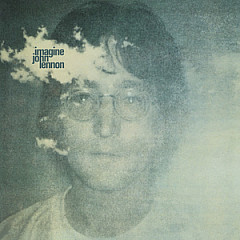
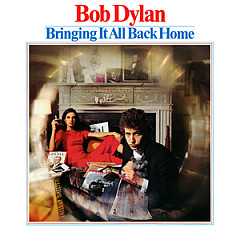
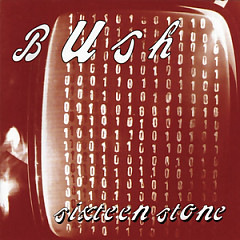
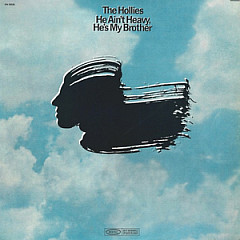
  • The title image belongs to a long tradition of pop-song cigarette symbolism, where cigarettes represent self-destruction, addiction, longing, or memories that refuse to disappear. Comparable examples include "Cigarettes And Chocolate Milk" by Rufus Wainwright, where cigarettes symbolize unhealthy temptation and "Cigarettes & Cush" by Stormzy featuring Kehlani (2017), where smoking with a partner becomes a tender metaphor for intimacy. Where those songs use smoking as a symbol of pleasure or closeness, Rodrigo's "Cigarette Smoke" deploys it as something more elusive and melancholic, the ghostly remnant of a person who is already gone.
  • Although Rodrigo has not explicitly confirmed the subject, the album as a whole is widely believed to draw heavily from her approximately two-year relationship with English actor Louis Partridge. Multiple reviews have noted that the record chronicles the rise and collapse of a serious romance that closely mirrors that relationship.

    Fans focused on this song's lyric:

    I thought that we played the perfect couple 'til you didn't want the part

    The line appears to contain a theatrical or acting reference that could point toward Partridge's profession.
  • Chronologically, "Cigarette Smoke" completes the album's narrative arc. The story begins with the dizzy romantic rush of "Drop Dead," where Rodrigo presents love as exhilarating and transformative. The album gradually moves through infatuation, insecurity, self-doubt, bargaining, and heartbreak. "Cigarette Smoke" functions as the final chapter, the point where Rodrigo stops asking how she can save the relationship and starts asking why she accepted so little from it in the first place.

    Rodrigo told Apple Music's Zane Lowe: "It's a pretty dark way to end the album, but I kind of like how the first song is like the happiest song ever and then the last song is like the darkest song ever."
  • Rodrigo wrote the song with her producer Dan Nigro just a week before the album's vinyl deadline. It originated with Nigro playing a chord progression that Rodrigo told Zane Lowe gave her a "full body visceral reaction." Pulling a poem from her phone that read, "I thought we played the perfect couple, but you didn't like the part."

    The pair developed the song from that fragment. "There's like just some weird electricity in the room in between like you and the other person you're writing with, or between you and the divine," Rodrigo said.
  • Olivia Rodrigo and Dan Nigro composed "Cigarette Smoke" in the studio in roughly one day. Rodrigo originally wanted the closing section ("memories go dark") to loop even longer than it does.

Comments

Be the first to comment...

Editor's Picks

Glen Burtnik

Glen BurtnikSongwriter Interviews

On Glen's résumé: hit songwriter, Facebook dominator, and member of Styx.

Jesus In Pop Hits: The Gospel Songs That Went Mainstream

Jesus In Pop Hits: The Gospel Songs That Went MainstreamSong Writing

These overtly religious songs crossed over to the pop charts, despite resistance from fans, and in many cases, churches.

Lajon Witherspoon of Sevendust

Lajon Witherspoon of SevendustSongwriter Interviews

The Sevendust frontman talks about the group's songwriting process, and how trips to the Murder Bar helped forge their latest album.

Taylor Dayne

Taylor DayneSongwriter Interviews

Taylor talks about "The Machine" - the hits, the videos and Clive Davis.

Dan Reed

Dan ReedSongwriter Interviews

Dan cracked the Top 40 with "Ritual," then went to India and spent 2 hours with the Dalai Lama.

Maria Muldaur

Maria MuldaurSongwriter Interviews

The "Midnight At The Oasis" singer is an Old Time gal. She talks about her jug band beginnings and shares a Dylan story.