
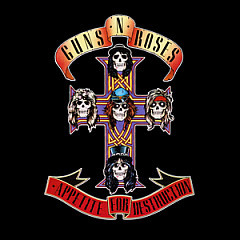
The moans of pleasure in the Guns N' Roses song "Rocket Queen" are authentic.
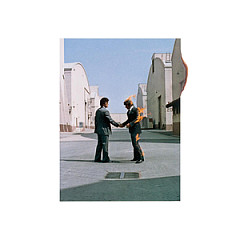
Pink Floyd's "Shine On You Crazy Diamond" is about their founding member Syd Barrett, who became an acid casualty. Notice the S-Y-D in the title.
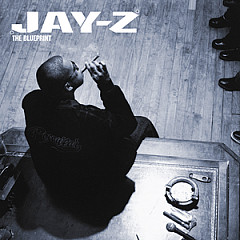
"Izzo (H.O.V.A.)" refers to "Hova," which is what Jay-Z calls his God Name. Jay-Hova, as in Jehovah.
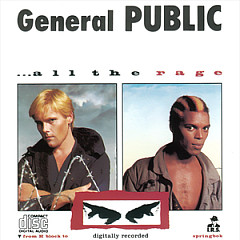
"Tenderness" by General Public was partly inspired by the outbreak of AIDS, which at the time was thought to be contagious.
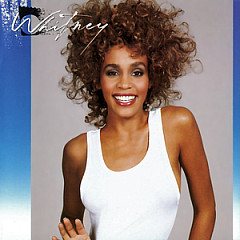
Whitney Houston's "I Wanna Dance With Somebody" is a joyful-sounding song with lyrics that are surprisingly somber: "when the night falls, loneliness calls." It's co-writer explained: "Many of our friends were in this boat - 5 o'clock comes around, they start getting restless."
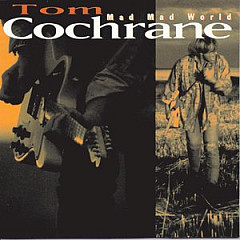
Tom Cochrane wrote "Life Is A Highway" to pull himself out of a funk following an exhausting humanitarian trip to Africa.
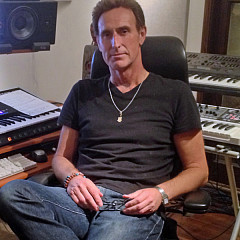
With Bernie Taupin, Martin co-wrote the #1 hits "We Built This City" and "These Dreams." After writing the Pretty Woman song for Go West, he had his own hit with "In the House of Stone and Light."

A drummer for one of the most successful metal bands of the last decade, Chris talks about what it's like writing and performing with Slipknot. Metal-neck is a factor.
How the American gangsta rappers made history by getting banned in the UK.
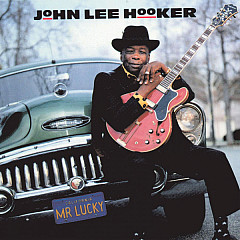
Into the vaults for Bruce Pollock's 1984 conversation with the esteemed bluesman. Hooker talks about transforming a Tony Bennett classic and why you don't have to be sad and lonely to write the blues.

A Soul Train dancer takes us through a day on the show, and explains what you had to do to get camera time.
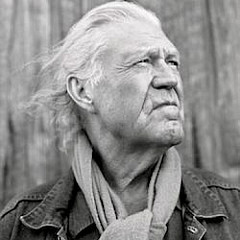
The outlaw country icon talks about the spiritual element of his songwriting and his Bob Dylan mention.