Animate
by Rush

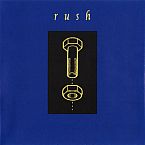
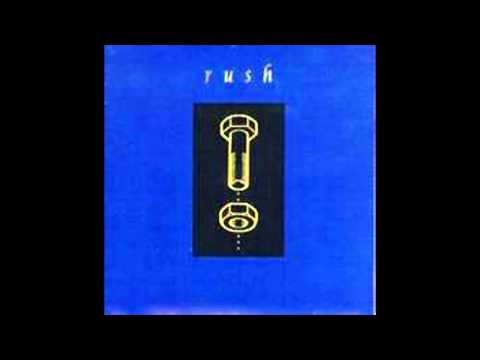
Album: Counterparts (1993)
Play Video

Songfacts®:

  • The lyrics contain many ideas based on the theories of Carl Jung. Jung called our collective unconsciousness our "inner space," containing knowledge we are all born with. This knowledge he called archetypes, which are demonstrated by the creative experiences shared by fairy literature around the world, represented in the song by the various fairy tale allusions. More importantly, however, is the fact that all the imagery in the song alludes to the archetype symbolizing the unconscious female component of the male psyche, the Anima. Its "counterpart" is the Animus, symbolizing the unconscious male component of the female psyche. >>
    Suggestion credit:
    Rick - Omaha, NE
  • Neil Peart (Modern Drummer magazine, February 1994): "I used a basic R&B rhythm that I played back in my early days, coupled with that hypnotic effect that a lot of the British bands of the turn of the '90s had -- bands like Curve and Lush. The middle section of the tune is the result of the impact African music has had on me, although it wasn't a specific African rhythm." >>
    Suggestion credit:
    Mike - Mountlake Terrace, Washington

Comments: 5

  • Mark From Syracuse from Syracuse,nyThe closest I ever came (seating) at a Rush show was on the "Counterparts" tour when it landed in Rochester NY at the War Memorial. The usher walked me to my seat and the stage got bigger and bigger dead center. The tickets didn't clearly reveal how close the seats were to the stage and it was a real treat to watch the song "Animate" played directly in front of me. Being a bass player and able to watch Geddy's flamenco pick technique on that tune was so freaking cool to see it. I was also introduced to "Candelbox" who put on a great set..
    Suffice to say I eventually learned how to play Animate but the wimpy way... With a pick... Never got that flamenco thing.. I tried!!
  • Eric from Bend, OrThis is one of my favorite Rush songs, or maybe it's the whole Counterparts album that is one of my favorite works of Rush. There isn't a song on Counterparts that I don't like.

    I first bought a copy of Counterparts on cassette when I was 14, and I listened to it quite a bit over my spring break. :) When I first listened to it, I thought it was an awesome album, and it continues to be one of my favorite Rush albums to this day.
  • John from Asheville, NcI've always liked this song...and Counterparts is one of my favorite Rush albums. Always played slower live. I prefer the peppier studio version I must say. Great groove.
  • Jesse from L.a., CaDuring the 30th Anniversary Tour, Rush performed a slightly shorter version of this song, in contrast to the almost 6 minute version on the album.
  • Mike from Mountlake Terrace, WashingtonThe Line "My counterpart, my foolish heart" hence the name of the album, Counterparts. In addition the album contains picture references to counterparts, e.g. a rabbit riding a turtle, salt and pepper shakers, tooth and a nail etc.
see more comments

Editor's Picks

Gary LeVox

Gary LeVoxSongwriter Interviews

On "Life Is A Highway," his burgeoning solo career, and the Rascal Flatts song he most connects with.

Jay, Peaches, Spinderella and other Darrining Victims

Jay, Peaches, Spinderella and other Darrining VictimsSong Writing

Just like Darrin was replaced on Bewitched, groups have swapped out original members, hoping we wouldn't notice.

Danny Kortchmar

Danny KortchmarSongwriter Interviews

Danny played guitar on Sweet Baby James, Tapestry, and Running On Empty. He also co-wrote many hit songs, including "Dirty Laundry," "Sunset Grill" and "Tender Is The Night."

Adam Duritz of Counting Crows

Adam Duritz of Counting CrowsSongwriter Interviews

"Mr. Jones" took on new meaning when the song about a misguided view of fame made Adam famous.

David Paich of Toto

David Paich of TotoSongwriter Interviews

Toto's keyboard player explains the true meaning of "Africa" and talks about working on the Thriller album.

Judas Priest

Judas PriestSongwriter Interviews

Rob Halford, Richie Faulkner and Glenn Tipton talk twin guitar harmonies and explain how they create songs in Judas Priest.