

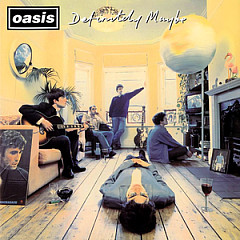
The Oasis song "Live Forever" was written in response to "I Hate Myself And I Want To Die" by Nirvana. "Kids don't need to hear that nonsense," said Noel Gallagher.
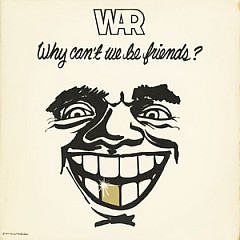
War got the idea for "Why Can't We Be Friends?" when they were traveling in Japan and found they had a kinship with the citizens even though they didn't speak the same language.
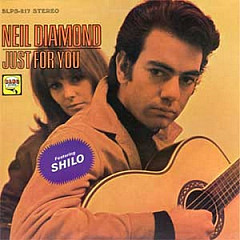
Neil Diamond got a big boost in 1994 when Urge Overkill's cover of his song 'Girl, You'll Be A Woman Soon" was used in the movie Pulp Fiction. His catalog sales ramped up, and suddenly he was cool.
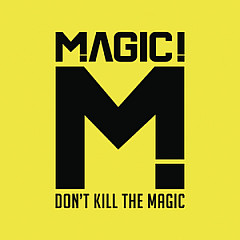
"Magic" was the first word to serve as both the title of a #1 hit (Olivia Newton-John's 1980 tune "Magic") and the name of an artist behind a chart-topping song (Magic!'s 2014 hit "Rude").
Ed Sheeran's "Bloodstream" was written after an experience taking MDMA during a wedding celebration in Ibiza; it's basically about all the feelings that he got from that time.
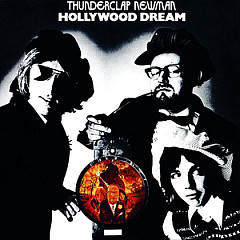
Pete Townshend never had a #1 UK hit with The Who or as a solo artist, but he did produce and play on a song that hit the top spot there: "Something In The Air" by Thunderclap Newman, a group he assembled.

Vince Gill, Emmylou Harris and Lyle Lovett are just a few of the artists who have looked to Clark for insightful, intelligent songs.
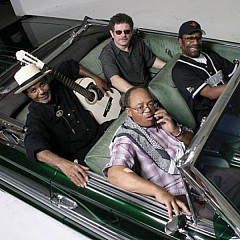
A founding member of the band War, Harold gives a first-person account of one of the most important periods in music history.
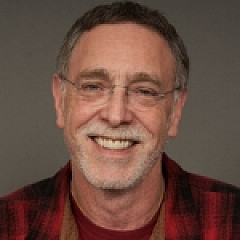
The top chant artist in the Western world, Krishna Das talks about how these Hindu mantras compare to Christian worship songs.

Holly Knight talks about some of the hit songs she wrote, including "The Warrior," "Never" and "The Best," and explains some songwriting philosophy, including how to think of a bridge.
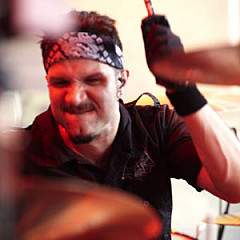
The drummer for Anthrax is also a key songwriter. He explains how the group puts their songs together and tells the stories behind some of their classics.
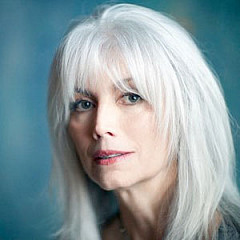
She thinks of herself as a "song interpreter," but back in the '80s another country star convinced Emmylou to take a crack at songwriting.