
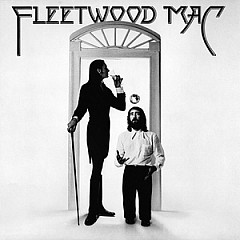
Stevie Nicks wrote "Landslide" before she joined Fleetwood Mac. She was considering going back to school when she and her boyfriend Lindsey Buckingham were asked to join the group.
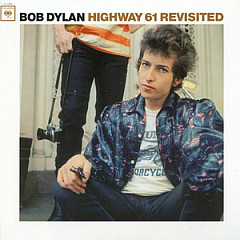
Bob Dylan's most popular song is "Like A Rolling Stone," which tells the story of a wealthy woman whose money and friends fall away. Dylan offers these mockingly encouraging words: "When you ain't got nothing, you got nothing to lose."
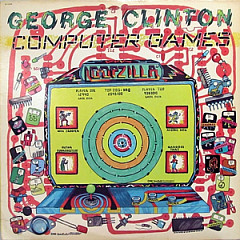
The electronic instruments in George Clinton's "Atomic Dog" represent the coming computer age, balanced by the instinctual dog who barks and pants throughout the song.
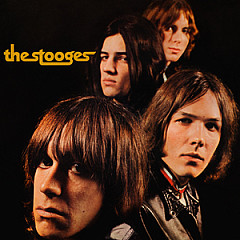
Sleigh bells aren't very punk, but they play throughout the Stooges classic "I Wanna Be Your Dog."
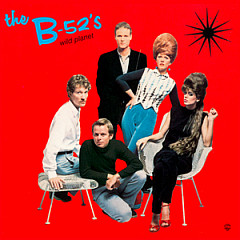
The B-52's chose the location of their song "Private Idaho" because the state has a reputation for being wacky and mysterious. The title is a play on the phrase "private eye."
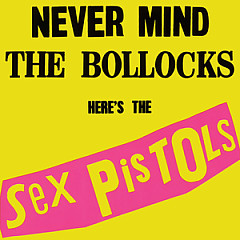
The riff for The Sex Pistols' "Pretty Vacant" was pinched from a very unpunk song, the ABBA ballad "S.O.S."

When she released her first album in 1988, Tanita became a UK singing sensation at age 19. She talks about her darkly sensual voice and quirky songwriting style.

Starting in Virginia City, Nevada and rippling out to the Haight-Ashbury, LSD reshaped popular music.

The guitarist/songwriter explains how he came up with his signature sound, and deconstructs some classic Fear Factory songs.

Lita talks about how they wrote songs in The Runaways, and how she feels about her biggest hit being written by somebody else.
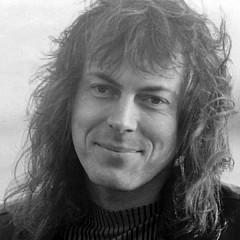
Dokken frontman Don Dokken explains what broke up the band at the height of their success in the late '80s, and talks about the botched surgery that paralyzed his right arm.

The Christian rapper talks about where his trip to Haiti and his history of addiction fit into his songs.