
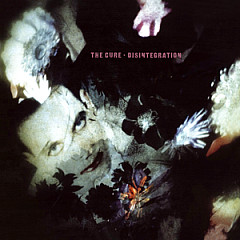
The Cure's "Lullaby" is based on a recurring nightmare frontman Robert Smith had as a child where he was eaten by a giant spider.
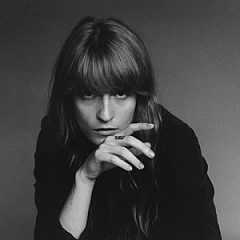
The title of Florence + the Machine's "How Big, How Blue, How Beautiful" was inspired by the Los Angeles skyline.
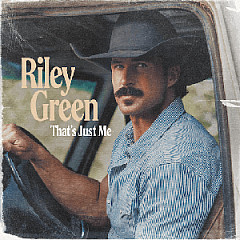
"Think As You Drunk" by Riley Green is based on a scene in the show Reno 911! where a guy gets pulled over and starts dancing (quite well) during his sobriety test. When the cop asks if he's a dancer, he says, "No, I'm just drunk." Green found it hilarious.
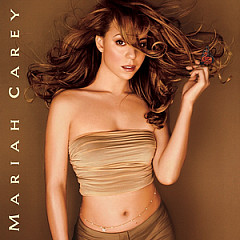
Mariah Carey's song "The Roof" is about her first kiss with Yankees shortstop Derek Jeter.
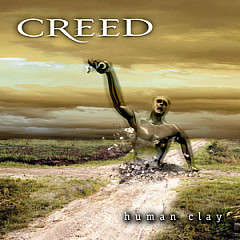
Scott Stapp of Creed wrote "With Arms Wide Open" when he found out he was going to be a dad. He named his son Jagger.
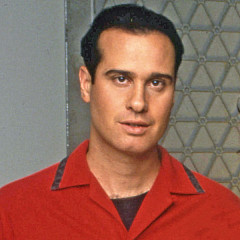
Stone Temple Pilots bass player Robert DeLeo names the songs that have most connected with fans and tells the stories behind tracks from their Tiny Music album.

The stories behind the biggest hit songs about trucking.
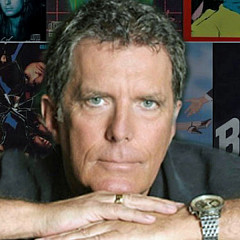
Ron Nevison explains in very clear terms the Quadrophenia concept and how Heart staged their resurgence after being dropped by their record company.
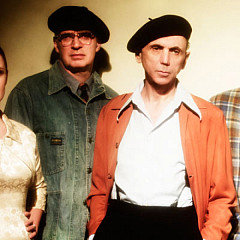
"Come On Eileen" was a colossal '80s hit, but the band - far more appreciated in their native UK than stateside - released just three albums before their split. Now, Dexys is back.
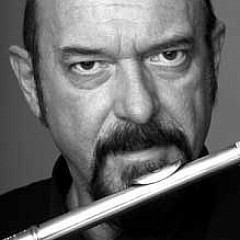
The flautist frontman talks about touring with Led Zeppelin, his contribution to "Hotel California", and how he may have done the first MTV Unplugged.
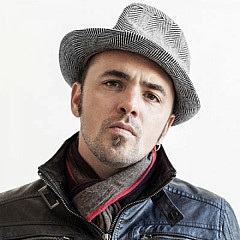
One of Canada's most popular and eclectic performers, Hawksley tells stories about his oldest songs, his plentiful side projects, and the ways that he keeps his songwriting fresh.