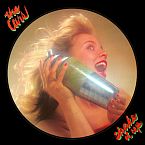

Shake It Up

Album: Shake It Up (1981)
Charted: 4
Play Video

Songfacts®:

  • "Shake It Up," the title track to The Cars' fourth album, is a tailor-made party song. With the simple "dance all night" refrain, it indeed became a favorite dance party tune.

    Written by frontman Ric Ocasek, it's an outlier in that it's very straightforward, simply encouraging us all to get on the dance floor and boogie like nobody's watching. Ocasek's songs were generally far more enigmatic.
  • This song has some throwback elements, like the "ooo ooo ooo" backing vocals and references to a "quirky jerk" and "night cats" - lingo that was hep in the '60s when songs about dancing were in vogue. At the same time, "Shake It Up" as a futuristic sound, with synthesizers and drum machines that were part of the new wave.
  • Released as the lead single from the album, "Shake It Up" was a big American hit for The Cars, getting them into the Top 10 for the first time. Some fans accused them of "selling out," but the band insisted they were simply progressing (one point in their defense: they continued to live in Boston instead of relocating to New York or Los Angeles). The jabs came mostly from the UK, where the band got lots of positive press early on but faced the wrath of a finicky press when they released this song about dancing. In the UK, "Shake It Up" wasn't released as a single.
  • The Cars are one of the groups who can be credited with opening the New Wave sound up to the mainstream. As noted in Seventies Rock: The Decade of Creative Chaos, "The fact that new music was getting airplay at all - New Wave or not - was somewhat remarkable." When The Cars came on the scene in 1978, the Bee Gees and all the disco craze they brought with them dominated the charts. While mainstream radio was reluctant to put a punk record on the air, it found New Wave less intimidating.

    Meanwhile, Ken Tucker muses about the New Wave movement in The Rolling Stone Illustrated History of Rock and Roll: "Kids all over the country decided to play Record Promotion: if the big boys wouldn't sign up their local bands, the fans would, with a vengeance. Mimeographed manifestos and homemade rock magazines multiplied as ways to push burgeoning local scenes; they plugged cherished unknowns and finessed an ad hoc network for distributing their records." Notice any similarities with 1978 music culture and the Internet-fostered music scene now?

Comments: 2

  • Robert from Chicago , IlYou have got to love the video for this song
  • Jon from St. Paul, MnAt the top it should say Cars not Carls.
see more comments

Editor's Picks

Director Paul Rachman on "Hunger Strike," "Man in the Box," Kiss

Director Paul Rachman on "Hunger Strike," "Man in the Box," KissSong Writing

After cutting his teeth on hardcore punk videos, Paul defined the grunge look with his work on "Hunger Strike" and "Man in the Box."

Shawn Mullins

Shawn MullinsSongwriter Interviews

"Lullaby" singer Shawn Mullins on "Beautiful Wreck," beating the Devil, and his writing credit on the Zac Brown Band song "Toes."

16 Songs With a Heartbeat

16 Songs With a HeartbeatSong Writing

We've heard of artists putting their hearts into their music, but some take it literally.

Fire On The Stage

Fire On The StageSong Writing

When you have a song called "Fire," it's tempting to set one - these guys did.

Female Singers Of The 90s

Female Singers Of The 90sMusic Quiz

The ladies who ruled the '90s in this quiz.

AC/DC

AC/DCFact or Fiction

Does Angus really drink himself silly? Did their name come from a sewing machine? See if you can spot the real stories about AC/DC.