


The Simon & Garfunkel song "Mrs. Robinson" was originally called "Mrs. Roosevelt," most likely after First Lady Eleanor Roosevelt. The title was changed when it was considered for use in the film The Graduate, where Anne Bancroft's character is Mrs. Robinson.

Billie Eilish set the rumors about her sexuality to rest with "Lunch," an anthem about wanting to devour a girl like a mid-day feast. The singer, who's attracted to both men and women, had her first romantic experience with a girl while she was writing the song.
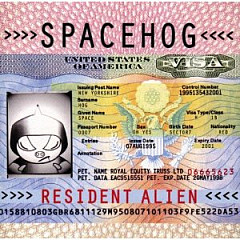
The Spacehog song "In The Meantime" samples an obscure recording of telephone noise, which is used at the beginning of the song.
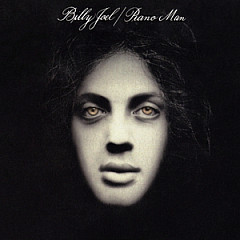
"Piano Man" was inspired by Billy Joel's time playing at a piano bar in Los Angeles. The "real estate novelist" was a guy who always talked about writing a book, but spent all his spare time in the bar.
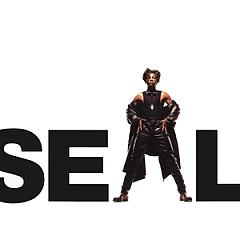
In "Kiss From A Rose," seal sings "kiss from a rose on a gray," not "grave," but he won't explain the lyric, feeling listeners should adapt the song to their own experience.
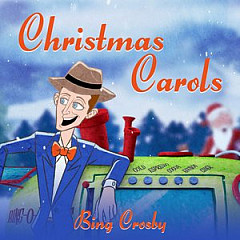
Bing Crosby debuted the song "White Christmas" in the 1942 movie Holiday Inn, where he plays a New Yorker stuck in Southern California for Christmas and missing the snow. The song became a Christmas classic and the basis for the 1954 movie White Christmas, also starring Crosby.
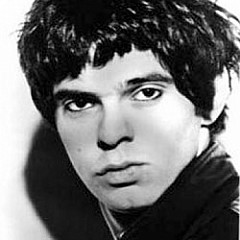
JJ talks about The Stranglers' signature sound - keyboard and bass - which isn't your typical strain of punk rock.

Brenda talks about the inspiration that drove her to write hit songs like "Get Here" and "Piano in the Dark," and why a lack of formal music training can be a songwriter's best asset.

The "Midnight At The Oasis" singer is an Old Time gal. She talks about her jug band beginnings and shares a Dylan story.

A Soul Train dancer takes us through a day on the show, and explains what you had to do to get camera time.
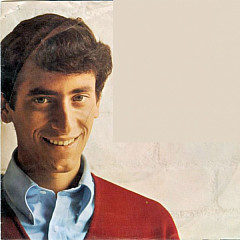
Gary Lewis and the Playboys had seven Top 10 hits despite competition from The Beatles. Gary talks about the hits, his famous father, and getting drafted.
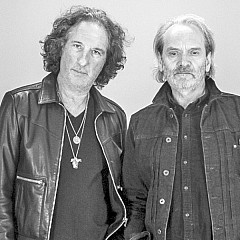
'80s music ambassadors Wang Chung pick their top tracks of the decade, explaining what makes each one so special.